Menu
Hollywood as an Export: How American Cinema Supports the Dollar Worldwide
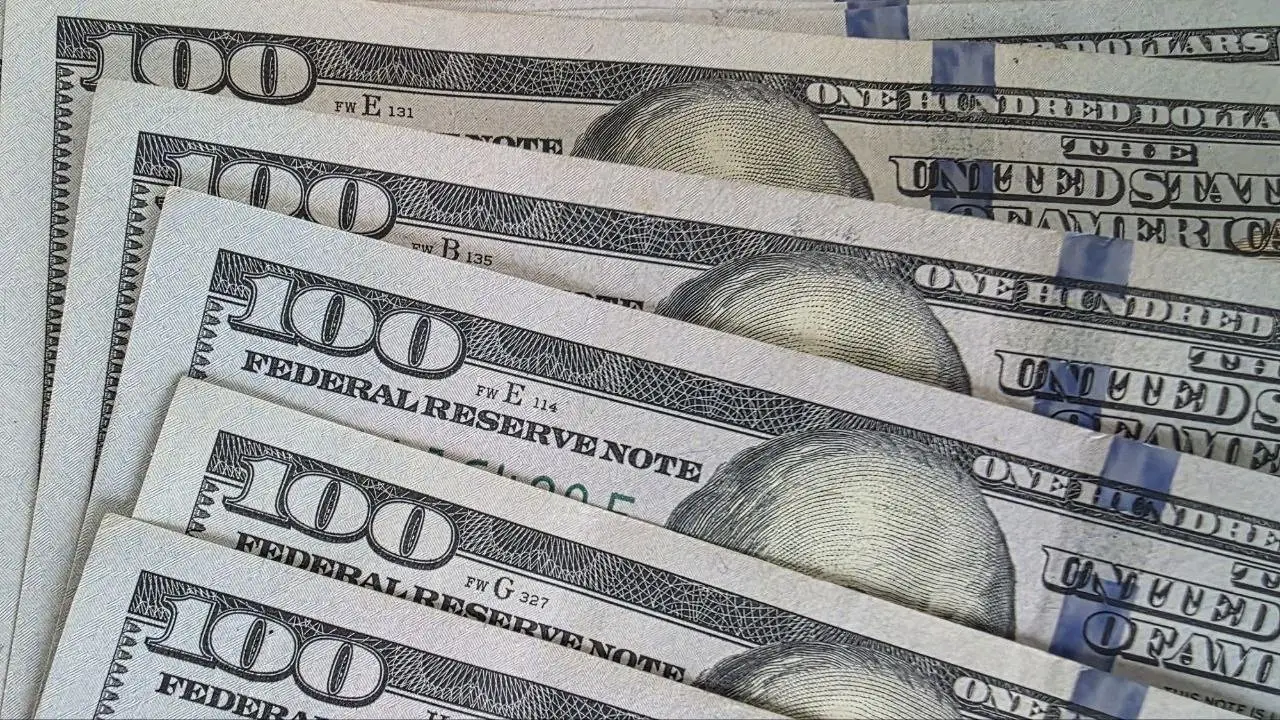
When people in China, Brazil, or Nigeria pay for a ticket to a Hollywood film, they don’t think about currency markets. Their money is part of a global flow that sustains the dollar.
The American film industry earns more abroad than in the United States, and almost all of these revenues are denominated in dollars.
Hollywood is not just a dream factory. It is one of America’s largest exporters, bringing in hundreds of billions of dollars a year. Streaming platforms, television, music, video games — all of this creates steady demand for the U.S. currency. And, like aviation, this industry remains one of the few where the dollar faces no real competitors.
The American film industry is not just entertainment. It is one of the largest export sectors of the U.S. economy. According to the Motion Picture Association, in 2026 global box office receipts for Hollywood films exceeded $40 billion, and more than 60% of those revenues came from overseas markets.
But film is only part of the story. Streaming platforms such as Netflix, Disney+, and Amazon Prime earn money worldwide. Television shows, music, video games, books — all of this is exported and brings dollars into
This means that each new subscriber in Brazil, India, or Nigeria creates demand for dollars. The platform converts local currency into dollars for reporting and settlements with rights holders. This creates a steady flow of capital into the United States.
Moreover, streaming platforms invest in content production worldwide. They shoot films and series in Europe, Asia, and Latin America. But contracts with actors and directors are often denominated in dollars. This further strengthens the dollar in the industry.
What this means for the dollar
Hollywood and the media industry are another invisible pillar of the dollar. They create steady demand for the U.S. currency that does not depend on Fed rates or geopolitics. As long as the world watches American films and series, the dollar will receive support.
However, this pillar has a weak spot. If other countries create their own competitive media industries, it could undermine the dollar's monopoly. China, India, and South Korea are already actively developing their film industries and streaming platforms.
As analysts note, "media is an industry where the dollar feels especially confident." But this confidence may weaken if competition intensifies.
What this means for the average person
If you watch American films or series, you are already participating in this system. Your money from subscriptions or tickets is converted into dollars and supports the U.S. economy.
For those who hold savings in dollars, the media industry is an additional support. For those who work in the creative industry, it means understanding how global capital flows affect exchange rates.
What's next
The media industry will grow. Streaming platforms are expanding into new markets, and content production is becoming increasingly global. This means that demand for dollars in the industry will only increase.
For the dollar, this means it has another steady pillar that will not disappear in the coming decades. Even if other factors weaken, Hollywood will remain a safe haven for the U.S. currency.