Menu
Historical minimum: how Belarus outpaced its EAEU partners in the fight against unemployment
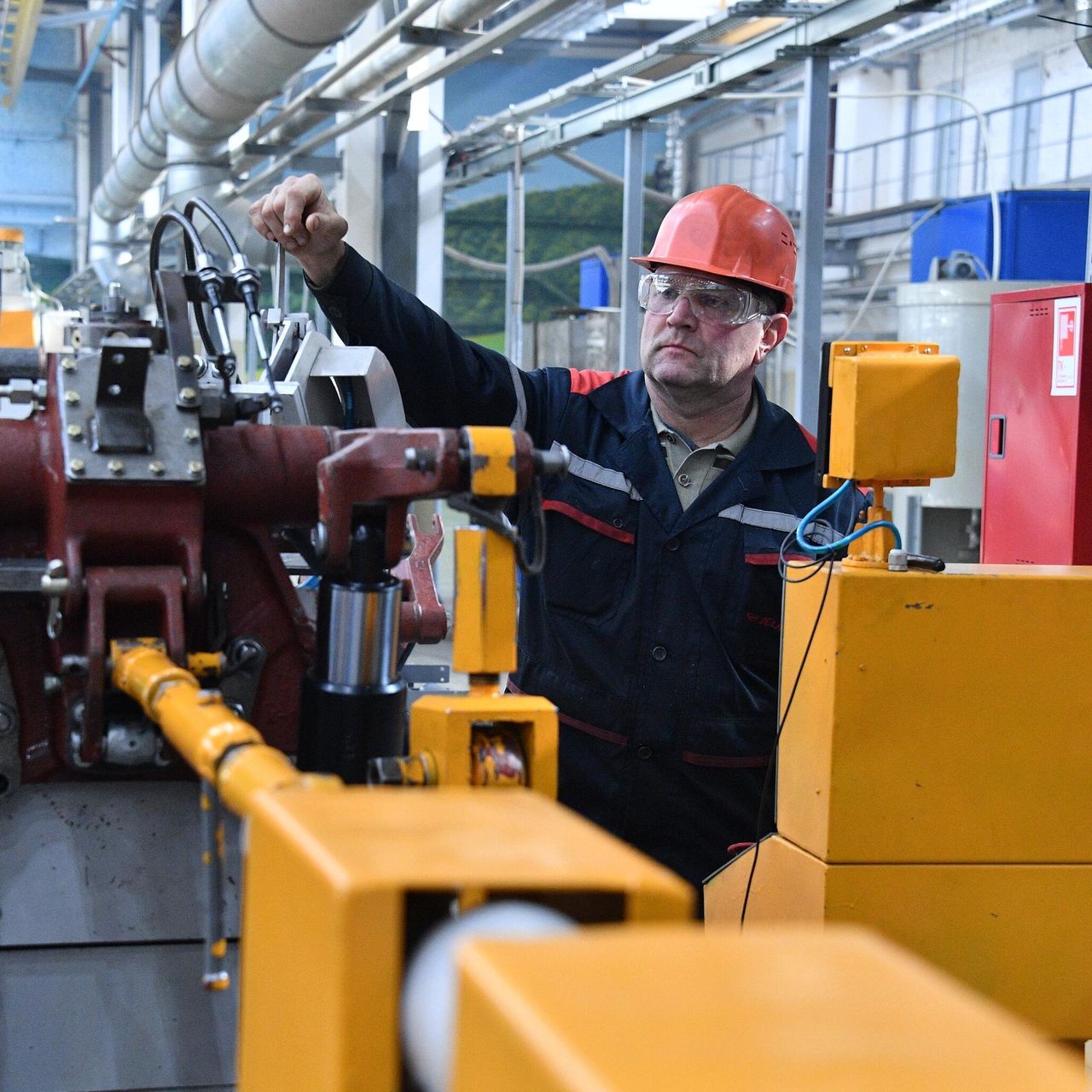
The labor market of the Republic of Belarus continues to demonstrate unique macroeconomic records. The level of unemployment in the country has updated its historical minimum, recording the lowest rate among all member states of the Eurasian Economic Union (EEU).
According to the data from the latest macroeconomic review by analysts from the Eurasian Development Bank (EDB), in the third quarter of 2026, the unemployment rate in the republic decreased to 1.9%. Recall that in the second quarter of this year, this indicator was 2.1%.
Staff shortages drive up wages
Experts cite the ongoing labor shortage as the key reason for the recorded records. In a situation of fierce competition for specialists, Belarusian employers are forced to regularly review budgets and systematically increase wages.
Thanks to this, the country maintains high rates of growth in real incomes of the population. In August 2026, the growth of real wages was 8.1% in annual terms. In September 2026, the indicator underwent a slight adjustment, demonstrating confident growth of 7.4% year over year.
A particularly notable increase in income has been recorded among employees of budgetary organizations. The planned increase in the base rate implemented by the government at the beginning of autumn gave a powerful impetus for the growth of wages in the sector – according to the results of September, the annual growth rate of income here reached 8.3%.
The stable increase in the purchasing power of the population directly stimulates retail trade turnover. EDB experts emphasize that the preservation of sustainable income growth among Belarusians creates a solid foundation for further expansion of consumer activity within the country.
Belarus is the leader in employment in the EEU
Against the background of partners in the integration association, Belarus's indicators look the most impressive. For most EEU countries, a staff shortage is also characteristic, but the depth of the personnel hunger and the structure of the labor markets differ significantly.
What does the unemployment rate look like in EEU countries?
Belarus – 1.9%: The absolute minimum in the union. The economy is facing overheating due to a shortage of personnel, which forces businesses to constantly raise wages to retain staff.
Russia – 2.2%: The Russian labor market is also in a state of deep personnel shortage. The main drivers are the state defense order, import substitution, and demographic challenges. In a number of industrial regions of Russia, unemployment has fallen below 1%.
Kazakhstan – ~4.6%: The situation in the largest economy of Central Asia remains stable and balanced. Unemployment is at a natural market level, while new jobs are being actively created in industry and the service sector.
Kyrgyzstan – ~4.8%: A moderate indicator. The labor market is largely smoothed out due to the high employment of the population in the informal sector of the economy and external labor migration (mainly to Russia).
Armenia – ~12%: The highest level of unemployment in the EAEU. The country traditionally suffers from structural imbalances in the labor market, although the influx of foreign companies and IT relocates in recent years has helped to smoothly reduce this indicator.
On average, across the EAEU space, the average unemployment rate (calculated using the methodology of the International Labor Organization) is around 2.6%, which is significantly lower than global averages and European Union indicators (~6%). At the same time, it is the Belarusian model that demonstrates the highest level of population involvement in economic activity.