Menu
Figure instead of paper: Belarus and China simplify international cargo transportation
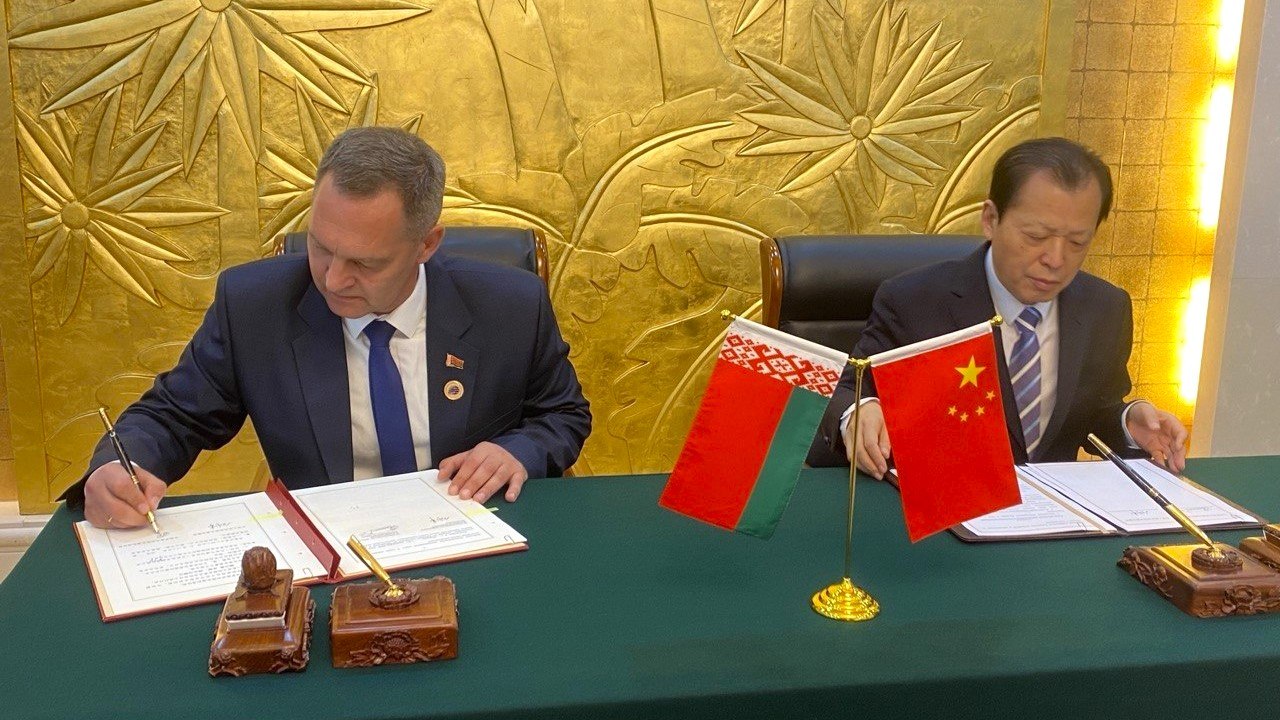
Belarus and China are moving to a new level of logistical cooperation. In Beijing, at the Global Forum on Sustainable Transport, the heads of the transport ministries of the two countries signed a memorandum on implementing a system of electronic permits for international road freight.
As Belarus's Minister of Transport and Communications Alexey Lyakhnovich noted, this step will become a powerful driver for the entire industry. The shift to “digital” is intended to eliminate bureaucratic barriers that have long hampered the document exchange process.
The transition to an electronic format brings three key changes that will be felt by carriers:
- End of the “paper shortage.” Previously, the lack of physical permit forms, especially toward the end of the year, became a serious headache for logistics companies. The electronic system completely eliminates this issue.
- Saving time and money. Digitization reduces document processing times to a minimum, allowing companies to optimize related expenses.
- Faster delivery. Prompt receipt of permits directly affects vehicle turnover. The faster a shipment is processed, the quicker it reaches the recipient, ultimately reducing delivery costs for the end consumer.
The cooperation between Minsk and Beijing covers almost all transport arteries. The parties continue to maintain the stable operation of container trains on the China–Europe–China route, and are actively working on expanding air connectivity. Particular attention is given to creating end‑to‑end logistics chains that will help Belarusian exporters deliver goods to Asian markets faster and cheaper. Beyond logistics, the forum also discussed the technological future of the industry. Alexey Lyakhnovich shared his experience of implementing artificial intelligence in Belarus's transport system.
Today, Belarusian technologies already enable:
- Analyzing traffic conditions: computer‑vision systems create 3D models of routes in real time.
- Enhancing safety: a system has been implemented that detects wild animals on the road and warns drivers in advance.
- Weather management: meteorological monitoring with AI elements helps respond promptly to changes in road conditions.
In addition, machine learning algorithms are actively helping to plan urban infrastructure and optimize public transport routes, making it easier and more predictable to get around cities. The signing of the memorandum was further confirmation that Belarus and China are betting on high-tech and seamless logistics, strengthening their status as reliable partners on the international stage.