Menu
Fallen leaves with benefit for the garden: four simple ways
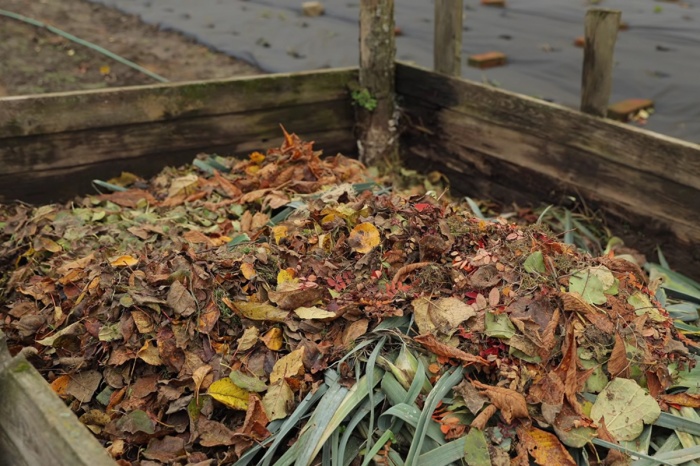
Fallen leaves can be useful to dacha owners. How to use them on your own plot, horticulturist Dmitry Kastritzky explains, writes sb.by.
Dmitry Kastritzky believes that fallen leaves should be removed from the plot because various insect pests and slugs can hide under them during the winter. In addition, the leaves may carry disease-causing spores. So what to do with them after removal? The horticulturist suggested four options.
For instance, fallen leaves can be thrown into compost, noted Dmitry Kastritzky:
— In compost, various soil microorganisms, the same earthworms, will break it down. Within a year, almost nothing remains of the fallen leaves—everything is decomposed.
You can also make leaf mulch—an additive that is incorporated into planting holes for various plants and into seedling soil. Vegetable and fruit crops do not share common diseases, so this method will not harm them.
— Put the fallen leaves in a black trash bag. Slightly dampen the leaves with water if they are dry. Be sure to add a few handfuls of garden soil or overripe compost. Tie the bag tightly, make several holes on the sides for air circulation. Place it under a tree. The leaves will decompose for quite a while—approximately until the next summer or autumn—explained the horticulturist.
In addition, leaves can be used when turning over the garden.
— Spread the leaves across the beds and bury them in the soil. By spring, almost nothing will remain of them,—said Dmitry Kastritzky.
Leaves are also used to insulate plantings for winter.
— If you have planted onions or garlic for winter, you can gather fallen leaves and insulate the bed. To prevent the leaves from being blown away by wind, add a few more twigs,—added the horticulturist.