Menu
Dollar at the End of 2026: Why the "Safe Haven" Is Back in Fashion
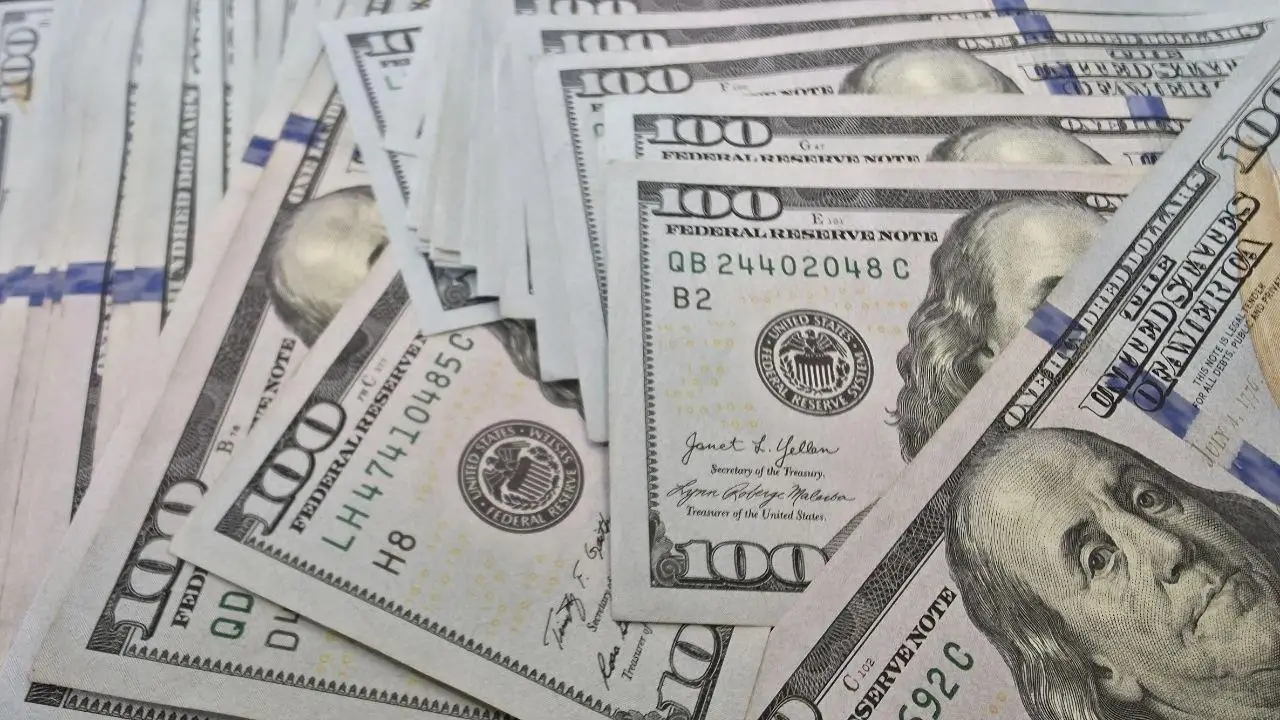
While some strategists debate whether the dollar will break the psychological 100 mark to the downside, others point to a more important trend: the American currency is once again becoming a safe haven for capital fleeing Europe and emerging markets.
In November 2026, the dollar is holding firm not so much due to its own strength, but because of the weakness of its competitors. And this dynamic could persist until the end of the year.
Competitor weakness is the dollar's main trump card
The currency market is a relative game. The dollar doesn't necessarily have to be strong—it just needs to be stronger than other currencies. And in November 2026, this condition is being met.
Photo: © Belnovosti / US dollars. Author Vitaly Kisterny
The euro remains the main "weak link." The French debt crisis and political uncertainty ahead of the presidential elections in April 2027 create sustained pressure on the single currency. The spread between French and German bonds remains wide, and investors demand a risk premium.
ING directly states that concerns over French debt will persist until the elections, which will keep real yield spreads wide and leave the euro under pressure. The bank expects EUR/USD to remain in the 1.10–1.15 range over the next three to six months.
Energy and stagflation: Europe pays the price
The second factor working against the euro is energy. Gas prices in Europe remain at historic highs due to low reserves and geopolitical tensions. UBS notes that despite stabilization in diesel prices, Europe remains vulnerable due to extremely low natural gas inventories and new records in gas futures prices.
This creates a stagflationary shock: inflation remains high while economic growth slows. For a currency, this is the worst possible scenario, as the central bank cannot simultaneously fight inflation and support growth.
Bank forecasts: range-bound trading instead of a trend
Leading banks do not expect either a sharp dollar rally or a crash. The consensus is for range-bound trading with risks skewed toward moderate dollar strength.
UBS expects EUR/USD could reach a minimum of 1.1050 in the fourth quarter, with a year-end 2026 target of 1.1200. At the same time, the bank confirms its recommendation to buy the dollar on dips, citing high energy prices and sustained interest in AI investments.
HSBC is more cautious: the bank expects that DXY will consolidate near recent highs over the next month, with risks skewed toward further growth rather than a reversal. The resilience of the US economy, the hawkish Fed, and problems with other currencies should limit the dollar's decline.
Morgan Stanley takes a more long-term view: the bank expects that DXY will fall to 94 in the second quarter of 2026, and then recover to 100 by the end of the year. However, this forecast was made earlier and may be adjusted based on new data.
What this means for the dollar
The dollar in November 2026 is not so much a story of strength as a story of relative attractiveness. As Europe grapples with a debt crisis and an energy shock, and Japan maintains low interest rates, the US currency remains the best option available for global capital.
The risks for this scenario are symmetric. If the Fed unexpectedly softens its rhetoric, and the French crisis subsides, the dollar may lose some of its support. If, however, tensions in the Middle East intensify and the European energy crisis deepens, the dollar will receive a new impetus for growth. But in the base case, November is a month of consolidation, not sharp movements.