Menu
Dog tax in Belarus in 2027: how much will owners of ordinary and large breeds pay
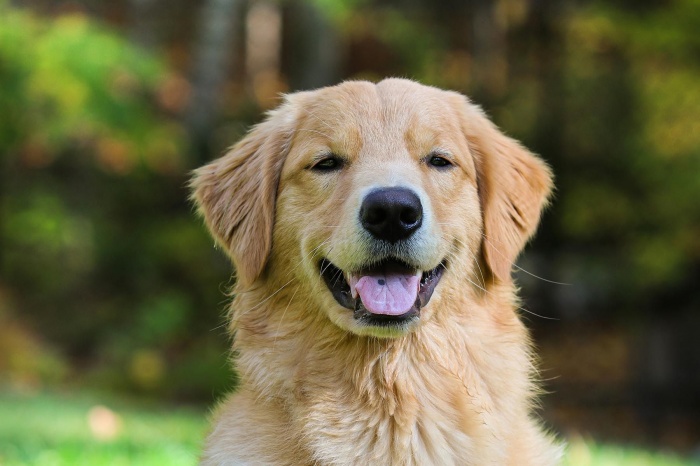
In Belarus, new rules of the game are being prepared for owners of four-legged animals. Starting in 2027, the quarterly tax on dogs of most breeds may increase by 1 ruble, while owners of large and potentially aggressive pets will have to pay almost five times that amount. Amendments that are planned to be introduced into the Tax Code have been published on the National Legal Portal, reports 1PROF.BY.
Rates will be recalculated taking inflation into account.
If the project is approved, the increase in tax for ordinary dogs will be modest – about 7%, which corresponds to the inflation level. In 2026, the official rate was 14 rubles (per quarter), but in Minsk it was lower – 11 rubles. This difference is explained by the fact that the Tax Code gives local councils of deputies the right to reduce the rate by up to 50%. Starting in 2027, the tax is planned to be
If a beneficiary has several dogs, the exemption applies to the one with the higher rate. If the rates are equal, the owner may choose any of them.
Registration and liability
According to the Ministry of Housing and Communal Services, more than 132,000 companion animals are registered in Belarus. Under Belarusian legislation, when acquiring a dog, the owner must register it within three days. Puppies are registered at the age of 3 to 3.5 months. The procedure is carried out free of charge at the “One-Stop Shop” service of the district administration at the place of residence. For this, the owner’s passport is required, and if the dog’s breed is potentially dangerous, the owner must complete special courses and provide a certificate.
Failure to register incurs a fine ranging from 1 to 15 basic units (Article 16.30 of the Code of Administrative Offenses). The basic amount in 2026 is 45 rubles, so the fines range from 45 to 675 rubles. Non-payment of tax entails a fine of 15% of the arrears, but not less than 0.5 basic unit – 2.5 rubles (Article 14.4 of the Code of Administrative Offenses).
Thus, 2027 may significantly change the rules for owners of large dogs: those who have not yet considered registration and courses should hurry. The rest will need to monitor decisions by local authorities, which will determine whether to pay the tax in full or at a reduced rate.