Menu
Do you know how to protect grapevines from frost damage in October?
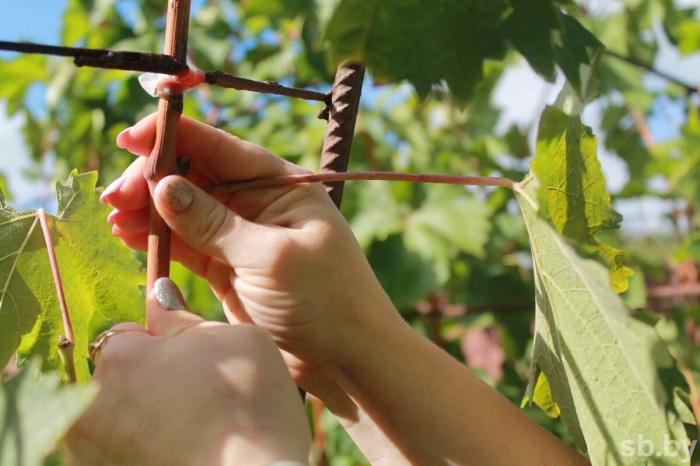
When preparing a vineyard for winter, it is very important to correctly remove the green tops of the shoots. Classic pruning of grapevines is carried out in mid or late summer to halt the vigorous growth of the bush and direct all the juices toward the ripening of berries and the formation of clusters.
However, a warm, prolonged autumn, as well as an excess of rain or nitrogen fertilizers, often disrupt the plant's plans. Sometimes, even in October, the vine continues to produce young green shoots, releasing tender suckers and unfurling new leaves at the tops of the shoots.
Leaving the grapevine in such a state before winter is dangerous. These bright green, juicy, and tender tops of the shoots will not have time to harden before the frost arrives. With the first serious freezes, the water inside their cells will freeze, the tissues will turn into mush, they will start rotting right under the winter cover, and in spring will become a breeding ground for gray mold or oidium. Moreover, by continuing to grow, the shoot tip parasitizes the bush, consuming valuable starches and carbohydrates that the plant needs to store in its
Identifying shoots on the vine is very simple based on three main characteristics. They always grow at the base of a leaf, directly above its bud, protruding sideways from the main stem. These shoots look “younger” than the main vine. They are thin, herbaceous, a delicate green color, often with very small, glossy leaflets at the tips. By October, the main vine at the bottom is already brown and stiff, while the shoots remain soft and juicy, like spring grass.
A major mistake when removing shoots in autumn is to snap them off with your fingers “with flesh” at the very base or to cut them flush with the main stem. Doing so can damage the dormant (fruit) bud that sits in the same pocket and is responsible for next year’s harvest.
Cut the shoot with pruning shears, stepping back 1–2 cm from its base. This short stub will dry out and fall off on its own over time, without harming the main bud of the plant.
If the shoot has grown long over the summer and its lower part near the stem has already turned woody and brown, cut only its green, soft top with young leaves. The brown, mature part of the shoot can be left behind— in winter it will serve as additional protection for the node.
When cutting the shoot, never remove the large, old leaf under which it grew. That mature leaf feeds the vine all the way to the frosts, and it must not be lost. Removing the small shoots frees the plant from “scavengers” that, in October, waste the plant’s energy uselessly, preventing it from fully entering dormancy before sheltering.
The mistake and excessive radicalism occur when a novice vintner cuts a shoot too low, removing along with the green tip a large portion of healthy, mature leaves. Thus the grapevine loses its main tool for photosynthesis. Instead of a gentle transition into rest, the plant experiences severe stress and, in panic, starts awakening dormant winter buds that were meant for next year’s harvest. This completely weakens the