Menu
Diamonds and precious stones: how the $80 billion luxury market supports the dollar
Author and Editor-in-Chief: Vitaliy Kisterny 02.10.2026 07:05:00
When a bride in China buys a diamond ring, when a jewelry house in Paris purchases stones in Africa, when an investor in Dubai invests in a rare diamond - all these transactions go through the dollar system.
The global diamond and precious stone market exceeds $80 billion per year, and almost all major transactions are denominated in US currency.
De Beers, ALROSA, Rio Tinto - the largest diamond producers - sell stones in dollars. Cutting centers in India, Israel, and Belgium operate in dollars. Jewelry brands - Tiffany, Cartier, Bulgari - also use dollars for major purchases. Diamonds are another invisible support for the dollar, which almost no one talks about.
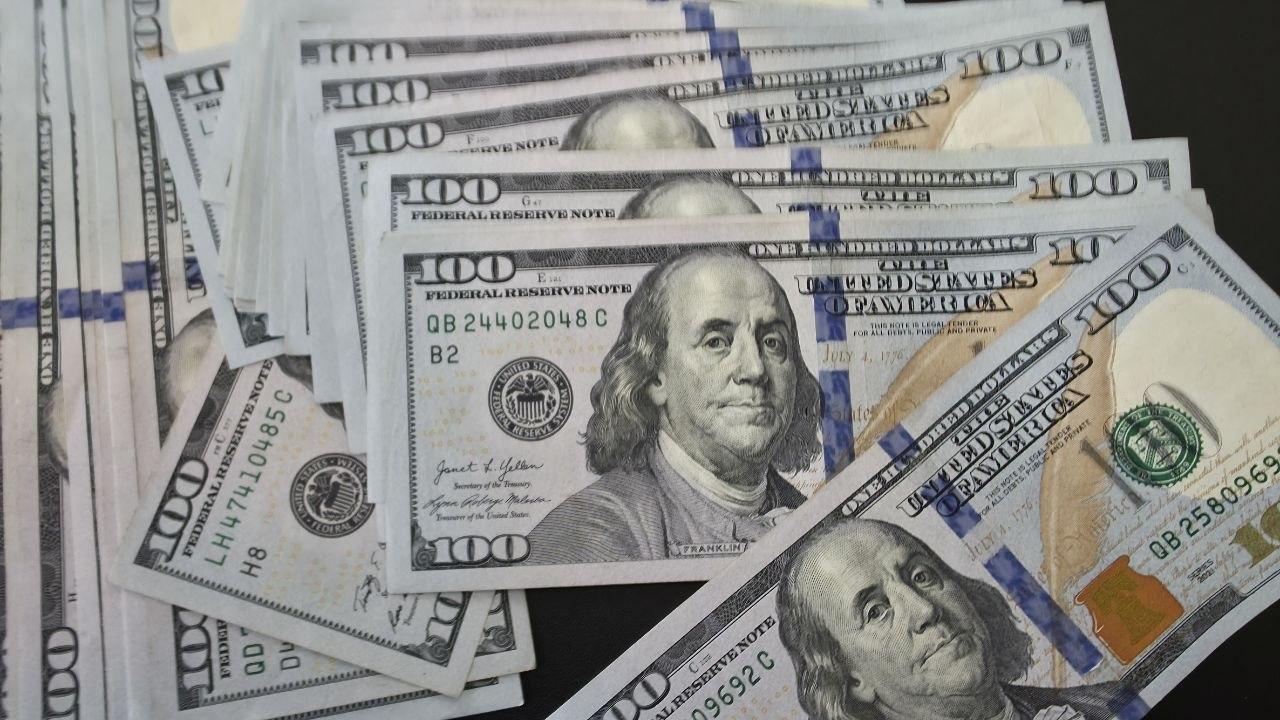
Photo: Belnovosti / US dollar. Author Vitaliy Kisterny
Why diamonds are traded in dollars
The diamond market is one of the most globalized and at the same time closed. Diamonds are mined in Africa, Russia, Canada, and Australia. They are cut in India, Israel, Belgium, and China. They are sold all over the world. For such an industry, a currency that is accepted everywhere is needed. And this currency has historically been the dollar.
The reason is simple: the largest diamond producers work through dollar contracts. De Beers, which controls a significant part of the global market, sells stones through its sorting centers in London and Botswana, but payments are made in dollars. ALROSA, a Russian company, also sells diamonds in dollars, despite sanctions. Rio Tinto, an Australian-British company, follows the same practice.
Moreover, the largest cutting centers - in India (Surat) and Israel (Ramat-Gan) - operate through dollar credit lines and letters of credit. Jewelry brands purchase stones in dollars, even if their headquarters are located in Europe.
How diamonds create demand for dollars
Every time a diamond transaction takes place, the buyer needs dollars. Even if the seller is in Africa and the buyer is in Asia, the payment is made in US currency.
Diamond companies hold billions of dollars as working capital. They use letters of credit, bank guarantees, and hedging instruments denominated in dollars. This creates a sustainable demand for the US currency.
In 2026, this demand has intensified. The diamond market has recovered from the pandemic, and demand for luxury goods in Asia and the Middle East is growing. Every new wedding in China or India means a new diamond purchased with dollars.
Who benefits from dollar-denominated diamonds
For the US, the diamond market is not just about Tiffany, it's also about the banks that finance deals. JPMorgan, Citigroup, Bank of America - all of them work with diamond companies. This creates additional flows of capital in dollars.
For the dollar, diamonds are a sustainable source of demand. Even if other factors weaken, people will always buy jewelry. This makes the US currency more sustainable than one might expect.
For developing countries, diamonds are a challenge. Producers are forced to sell stones in dollars, and consumers are forced to buy in dollars. This creates pressure on their national currencies and increases their dependence on the dollar.
What this means for the dollar
Diamonds are an inconspicuous but important support for the dollar. They create a sustainable demand for the US currency that is independent of the Federal Reserve's rates or geopolitics. As long as the world buys jewelry, the dollar will receive support.
However, this support has a weak point. If China or India create their own competitive diamond markets and start promoting them in yuan or rupees, this could undermine the dollar's monopoly. China is already developing its jewelry industry.
What this means for the ordinary person
If you buy jewelry, you are already participating in this system. Diamond prices are tied to the dollar, even if you buy them in Europe or Asia.
For those who hold savings in dollars, diamonds are an additional support. For those who work in the jewelry industry, it's an understanding of how global capital flows affect exchange rates.
What's next
The global diamond market will continue to grow. Demand for luxury goods in developing countries is increasing, and new deposits are being discovered. This means that demand for dollars in the industry will only increase.
For the dollar, this means that it has another sustainable support that will not disappear in the coming decades. Even if other factors weaken, diamonds will remain a quiet haven for the US currency.