Menu
Cyber threats against the dollar: how hackers can undermine the world's main currency
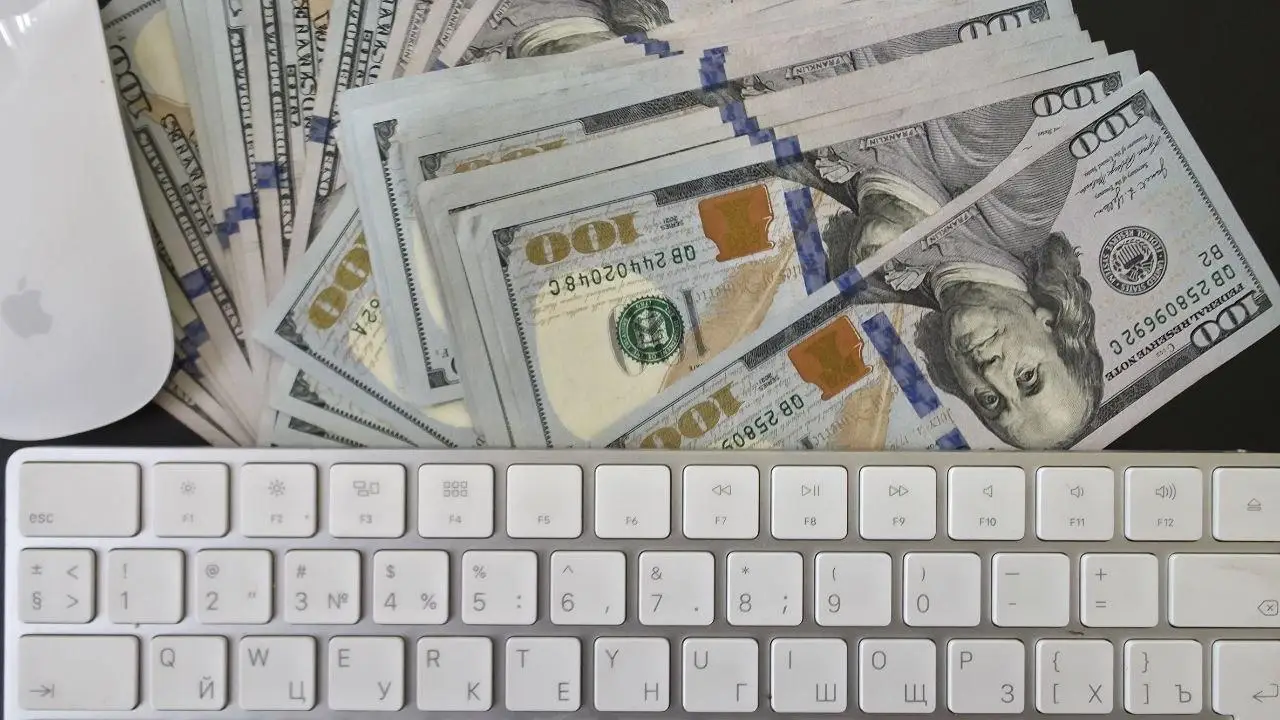
The dollar is sustained not only by economics and geopolitics, but also by trust in the U.S. financial infrastructure. And this infrastructure is increasingly becoming a target for cyberattacks. In 2026, hackers attacked the largest American banks, payment systems, and even the Federal Reserve System. Although large-scale disruptions have so far been avoided, the risks are growing.
If attackers manage to paralyze dollar settlements even for a few days, it will undermine trust in the American currency more than any economic crisis.
Why cyber threats matter for the dollar
The dollar is not just paper bills or numbers in accounts. It is a system that includes banks, payment
In 2026, several high-profile incidents occurred. In March, hackers attacked a major U.S. bank, resulting in the leak of data from millions of customers. In May, an attack was carried out on a clearing house that processes a significant portion of dollar transactions. In July, a payment system used for international settlements was targeted.
Although large-scale disruptions were avoided, each incident erodes trust. Companies are beginning to consider backup systems, central banks are thinking about diversifying reserves, and countries are contemplating the creation of alternative payment systems.
As the Bank for International Settlements notes, “cyber risks are becoming systemic.” If a single major incident can trigger a chain reaction, the consequences for the dollar could be catastrophic.
How this relates to dedollarization
Cyber threats are another argument for countries seeking alternatives to the dollar. If the dollar infrastructure is vulnerable, why depend on it? China, Russia, Iran, and other countries use this argument to promote their own payment systems.
The digital yuan, the CIPS system, and Russia’s SPFS are all positioned as more secure alternatives. Even if they cannot compete with the dollar in terms of liquidity and convenience, they offer protection against cyberattacks and sanctions.
As analysts observe, “cybersecurity is becoming a new dimension of currency hegemony.” Whoever controls the infrastructure controls the money. And as long as the United States cannot guarantee the security of its financial system, other countries will look for alternatives.
What this means for the dollar
Cyber threats are a new and underestimated danger to the dollar. While markets focus on Fed rates, inflation, and geopolitics, cyberattacks can strike where no one expects.
If attackers manage to paralyze dollar settlements for even a few days, it will cause panic. Companies won’t be able to pay, banks won’t be able to conduct transactions, and investors won’t be able to withdraw funds. Trust in the dollar will collapse, and restoring it will be very difficult.
Although the United States is coping with the threats, it’s too early to relax. Cyberspace is a battlefield where advantage can shift very quickly. And if the United States loses this battle, the consequences for the dollar could be catastrophic.
What’s next
Cybersecurity is becoming one of the top priorities for the U.S. financial system. The Federal Reserve, the Treasury Department, and the largest banks are investing billions in protecting infrastructure. But threats are also growing.
For the dollar, this means that its fate depends not only on economics and geopolitics but also on its ability to protect its infrastructure. In 2026, this battle is only just beginning. And its outcome will determine whether the dollar remains the world’s primary currency.