Menu
Cosmetics and Perfumery: How the $600 Billion Beauty Industry Supports the Dollar
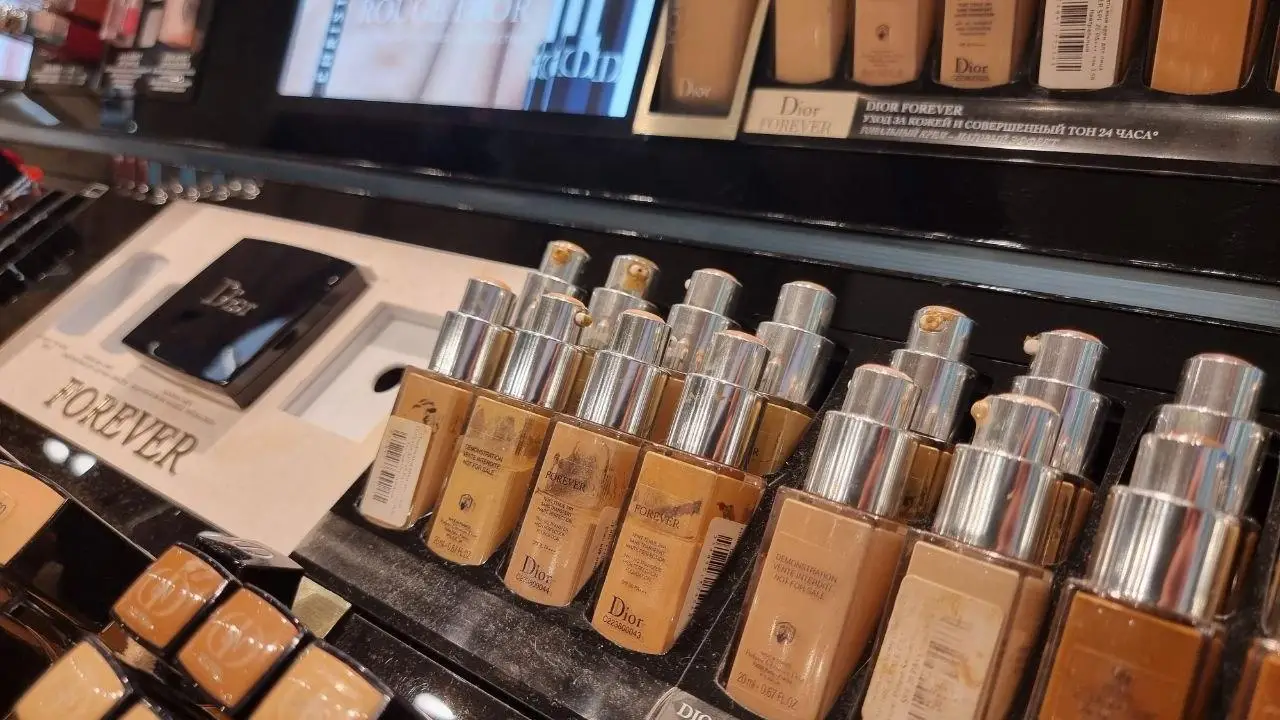
When a shopper in Seoul buys an anti‑wrinkle cream, when a tourist in Paris walks into a perfume boutique, when a blogger in Lagos orders lipstick online — behind each such purchase lies a global beauty industry worth more than $600 billion a year, and a significant share of its financial flows is denominated in dollars.
The biggest cosmetics companies — Estée Lauder, Procter & Gamble, Johnson & Johnson, Coty — are American. L'Oréal, Shiseido, Beiersdorf operate through dollar‑denominated contracts. Supplies of raw materials, brand licences, marketing budgets and logistics are tied to the US currency. Cosmetics is another invisible pillar of the dollar, about which hardly anyone talks.
Why the beauty industry works in dollars
The cosmetics industry is one of the most globalised in the world. Ingredients are sourced in Africa and Asia, formulas are developed in Europe and the US, production takes place in China and Brazil, and sales happen worldwide. For such an industry a currency that is accepted everywhere is needed. Historically that currency has become the dollar.
The reason is simple: the largest cosmetics companies are American. Estée Lauder, Procter & Gamble, Johnson & Johnson, Coty, Avon, Revlon — all are based in the US. Their contracts with raw‑material suppliers, licensing agreements, marketing budgets and logistics contracts are denominated in dollars. Even European L'Oréal, the world’s largest cosmetics company, receives a substantial part of its revenue from US sales and works through dollar‑denominated contracts. Japanese Shiseido and German Beiersdorf follow the same practice.
Moreover, the biggest cosmetics markets are the US, China and Brazil. The American market is the most profitable, and even non‑American companies strive to gain a share there. This means that their contracts with US retailers, advertising agencies and logistics operators are denominated in dollars.
How cosmetics creates demand for dollars
Every time a company purchases a batch of raw material or orders production at a factory abroad, it needs dollars. Even if the factory is in Indonesia and the brand is French, settlement often goes through the US currency.
Large cosmetics companies hold significant dollar reserves. They use letters of credit, bank guarantees and hedging instruments denominated in dollars. This creates a steady demand for the American currency.
In 2026, this demand intensified. The cosmetics market recovered after the pandemic, and new markets — India, the Middle East, Southeast Asia — became key sources of growth. Korean cosmetics (K-beauty) gained global popularity, but even its manufacturers operate through American platforms and receive dollars. Each new product is a new stream of dollars through supply chains.
Who Benefits from Dollar-Denominated Cosmetics
For the United States, the beauty industry is not just Estée Lauder and P&G. It also includes banks that finance purchases and logistics. JPMorgan, Citigroup, Bank of America — all of them work with the largest cosmetics companies. This creates additional capital flows in dollars.
For the dollar, cosmetics is a steady source of demand. Even if other factors weaken, people will always buy personal care products. This makes the U.S. currency more resilient than one might expect.
For emerging economies, cosmetics is a challenge. Importers are forced to buy dollars to purchase the products, while local producers depend on imported raw materials denominated in dollars. This puts pressure on their national currencies and increases reliance on the U.S.
What This Means for the Dollar
Cosmetics is an inconspicuous but important pillar of the dollar. It creates steady demand for the U.S. currency that does not depend on Federal Reserve rates or geopolitics. As long as the world takes care of itself, the dollar will receive support.
However, this pillar has a weak spot. If China or Korea develop their own competitive brands and begin promoting them in yuan or won, this could gradually undermine the dollar’s monopoly. China is already actively developing its cos
For the dollar, this means that it has another stable support that will not disappear in the coming decades. Even if other factors weaken, cosmetics will remain a quiet haven for the American currency.