Menu
Cleaning and property management: how $600 billion of the service sector supports the dollar
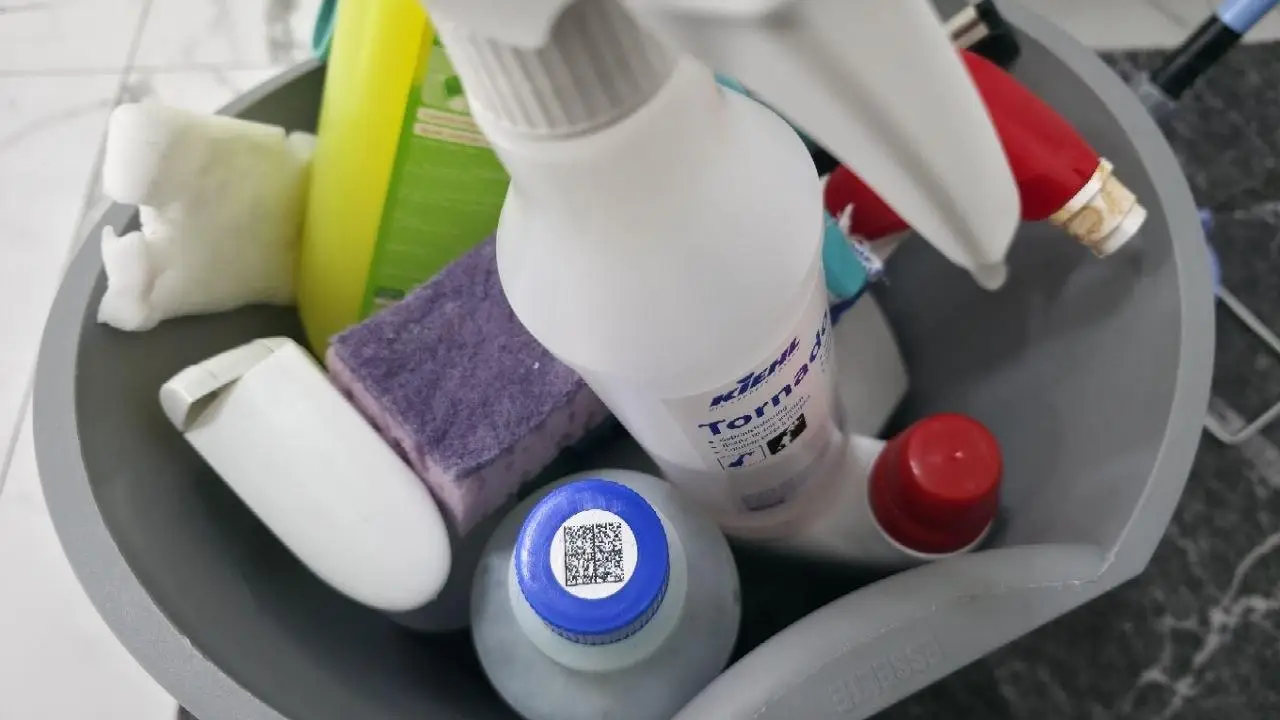
When an international hotel chain orders comprehensive cleaning from a global operator, when a business center in Dubai renews its building management contract with an American company, when a shopping mall in Asia purchases maintenance services from an international provider—all these deals flow through the dollar system.
The global market for cleaning, property management, and facility services exceeds $600 billion annually, and a significant portion of international contracts is denominated in US currency.
The largest operators:
- Sodexo
- Compass Group
- ISS
- Aramark
- CBRE
- JLL —operate through dollar contracts, even if their headquarters are in Europe. Contracts with corporations, hotels, hospitals, and government facilities are tied to the dollar. The service sector is another invisible pillar of the dollar, about which almost no one speaks.
Why the service sector operates in dollars
Cleaning and property management are an invisible but enormous industry. Offices, hotels, hospitals, airports, and shopping malls require daily cleaning, maintenance, security, and management. For such a global industry, a currency accepted everywhere is needed—and historically, that currency became the dollar.
The reason is simple: the largest operators work through dollar contracts.
- Sodexo, a French company, receives a significant portion of its revenue from US contracts and uses the dollar for major international deals.
- Compass Group, a British company, operates in US currency.
- ISS, a Danish company, also uses the dollar.
- Aramark, an American company, by definition operates in dollars.
- CBRE and JLL, the largest real estate consultants, are American and operate in dollars.
Furthermore, the largest clients—global corporations such as Google, Microsoft, Marriott, Hilton, and government organizations—budget for services in dollars. Even when a contract is signed in Europe or Asia, settlement often goes through the US dollar.
How the service sector creates demand for dollars
Every time a corporation or hotel pays for cleaning or management services, it needs dollars. Even if the operator is in India and the property is in Europe, settlement often goes through the US dollar.
Operators and providers hold significant dollar reserves. They use letters of credit, bank guarantees, and hedging instruments denominated in dollars. This creates sustained demand for the US dollar.
In recent years, this demand has intensified. The growth of commercial real estate, the expansion of hotel chains, and the outsourcing of corporate services have led to record volumes of contracts. Each new facility represents a new stream of dollars flowing through the industry.
Who benefits from dollar-denominated services
For the United States, the service sector is not just about companies like Aramark and CBRE. It also includes banks that finance operations and handle transactions.
- JPMorgan
- Citigroup
- Bank of America
- all of these work with the largest operators. This creates additional capital flows in dollars.
For the dollar, the service sector is a sustainable source of demand. Even if other factors weaken, buildings will still need cleaning and maintenance. This makes the US dollar more resilient than one might expect.
For developing countries, the service sector presents a challenge. Operators are forced to purchase dollars to pay for contracts and equipment. This puts pressure on their national currencies and increases their dependence on the US dollar.
What this means for the dollar
Cleaning and real estate management are an unimportant but crucial pillar of the dollar. They create steady demand for US dollars that is independent of Federal Reserve rates or geopolitics. As long as the world builds and maintains, the dollar will receive support.
However, this pillar has a weak point. Asian operators are developing their own companies and promoting settlements in yuan and other currencies. If this practice spreads, the dollar's monopoly in the industry could gradually weaken. But for now, even Asian companies use the dollar for major international contracts.
What this means for the average person
If you work in an office, stay in a hotel, or visit a shopping mall, you are already part of this system. The cost of these services includes dollar-denominated expenses for cleaning and management.
For those holding savings in dollars, the service sector provides additional support. For those working in services or real estate, it's an understanding of how global capital flows affect currency exchange rates.
What's next
The global market for cleaning and real estate management will grow. Urbanization, the growth of commercial real estate, and outsourcing create demand for services. This means that demand for dollars in the industry will only increase.
For the dollar, this means it has another resilient pillar that won't disappear in the coming decades. Even if other factors weaken, the service sector remains a safe haven for the US dollar.