Menu
Botox in a bank or a placebo - why cosmetics with peptides often do not work
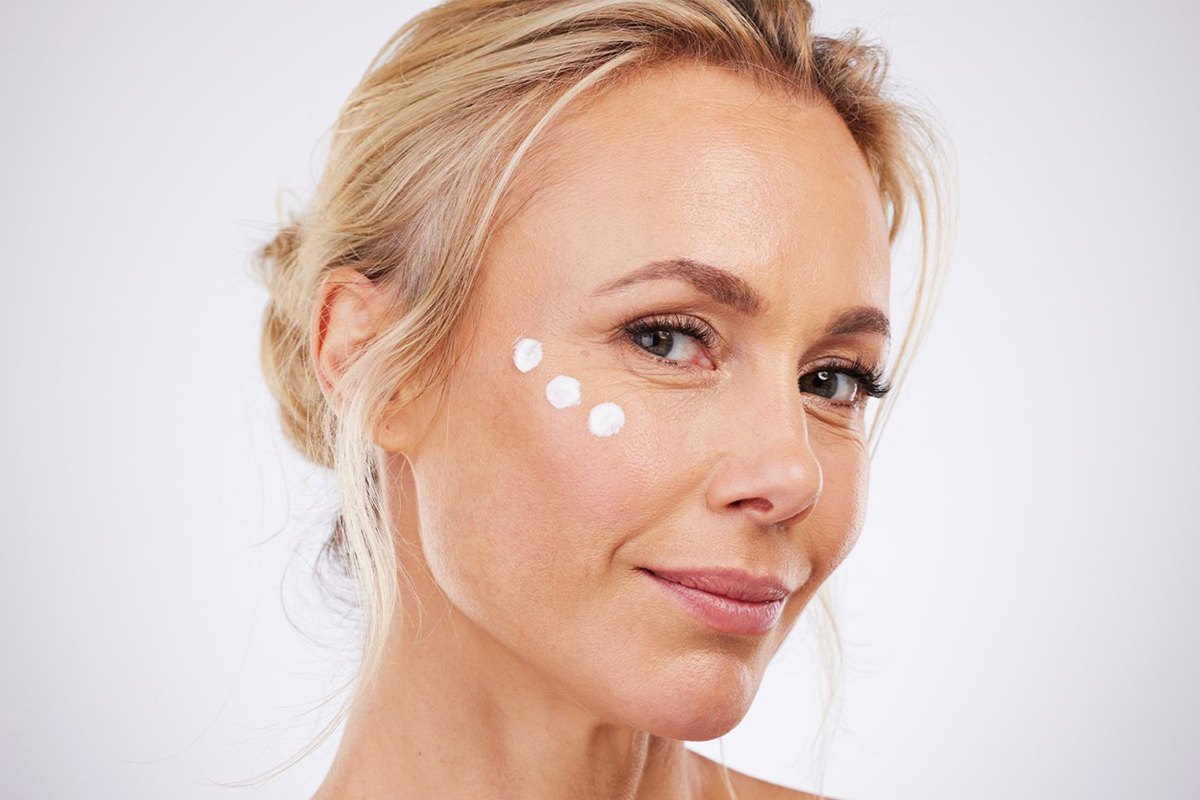
Today peptides are added everywhere—from facial creams to hair serums. But why, when buying identical products, does one woman see a wow effect in the mirror while another spends a lot of money and ends up with only skin irritation? Where does science end and pure marketing begin, why should the abundance of promises on the label raise suspicion, and how can peptides be made to work at 100 %? Russian dermatologist and cosmetologist Dr. Yulia Shcherbatova explained, writes sb.by.
What peptides are, in simple terms
Peptides are short chains of amino acids that make up larger proteins such as collagen or elastin. In cosmetics they do not serve as a building material and do not physically fill wrinkles. Their main task is to transmit signals to cells to act.
— Peptides perform a regulatory function. When they come into contact with the skin, they send a command to cells to start synthesizing necessary resources—such as elastin or collagen. In addition, they enhance the action of other cream components, helping them work as effectively as possible, — explains Yulia Shcherbatova.
Four groups of peptides: what to look for on the label
According to the doctor, the word “peptides” on the front of the jar is just advertising. The active ingredients should be looked for in the back label. According to Yulia Shcherbatova, they all fall into four main groups:
- Signal peptides (e.g., Matrixyl / Palmitoyl Pentapeptide‑4). They stimulate cells to produce their own collagen, restoring skin density and firmness.
- Carrier peptides (e.g., copper tripeptide‑1). They deliver trace elements to damaged areas. Yulia Shcherbatova recommends looking for them for skin repair in rosacea, inflammation, sunburns, or after aggressive cosmetic procedures.
- Muscle relaxants (e.g., argireline
No cream can work miracles and replace professional rejuvenating procedures. The task of peptide cosmetics is to improve skin quality, stimulate the production of its own collagen, protect against external stress, and restore a healthy glow to the face, reminds Yulia Scherbakova.
The cosmetologist identifies three reasons why a product may not produce results:
- Low concentration. High-quality peptide raw materials are expensive. If the cream is suspiciously cheap, and the label promises dozens of miraculous properties, it's just marketing. According to the expert, in such cases, peptides are at the very end of the composition and are added only for show.
- Damaged protective barrier. Hot water, rough scrubs, and dryness destroy the upper layer of skin. Until it is restored, peptides and other rejuvenating active ingredients work in vain.
- Lack of regularity. Peptide cosmetics have a cumulative effect. A continuous course is needed: apply the product morning and evening for 2-3 months to see a sustainable result.
In what cases are peptides ineffective and can harm?
In themselves, peptides are safe and cannot harm, the expert is convinced. A negative skin reaction is usually caused by a poor formula of the product or errors in care:
- Incorrect combination with acids. Peptides are extremely capricious to the level of acidity (pH).
If you apply a peptide cream immediately after an aggressive acid peeling or a lotion with AHA/BHA acids, the acidic environment will simply destroy the peptides. They will lose their properties and will not produce any effect. At the same time, peptides themselves get along perfectly with retinol, antioxidants, and niacinamide, explains Yulia Scherbakova.
- Aggressive components in the composition of the product. Allergies are caused by accompanying ingredients, not the peptides themselves.
Peptides are powerful active ingredients, but they do not work in isolation. If the base of the cream contains alcohol, cheap fragrances, or harsh preservatives, the skin will react with burning and redness. Patients often blame the peptides, although the composition of the product should be evaluated as a whole, tells Yulia Scherbakova.
- Unproven effect. There are many new types of peptides on the market. The problem is that they often do not have independent clinical tests that confirm their real effect on the skin.
The loud promises of brands may be based only on tests in a tube (on cultured cells), and not on real people. In such cases, you risk overpaying for marketing without getting the promised result, warns Yulia Scherbakova.
Instructions on how to get the most out of peptides
To get the maximum effect from peptide cosmetics, follow four simple rules. Firstly, space out the components over time: do not use peptides simultaneously with acids and vitamin C. An acidic environment will simply destroy them. Secondly, maintain regularity: apply the product twice a day for two to three months. Applying it in a thick layer is pointless: this will not enhance or accelerate the action of the active ingredients. Thirdly, be sure to protect your skin from the sun. Ultraviolet light destroys peptides, so without a cream with SPF, the entire anti-aging skincare routine loses its meaning. And fourthly, monitor the results through photos. Our brain quickly gets used to changes in the mirror, so take a "before" photo in good lighting and repeat it after two months to compare the images. This is the only way to objectively assess the tone of the skin, the condition of the pores, and the depth of fine wrinkles. The main thing is to focus on your skin's reaction, not on trends. If the product causes swelling, burning, or dryness, it is not suitable for you, regardless of its popularity and price, says Yulia Scherbakova.