Menu
Bobruysk CGE warns: sterility in a beauty salon is not a luxury, but a matter of life.
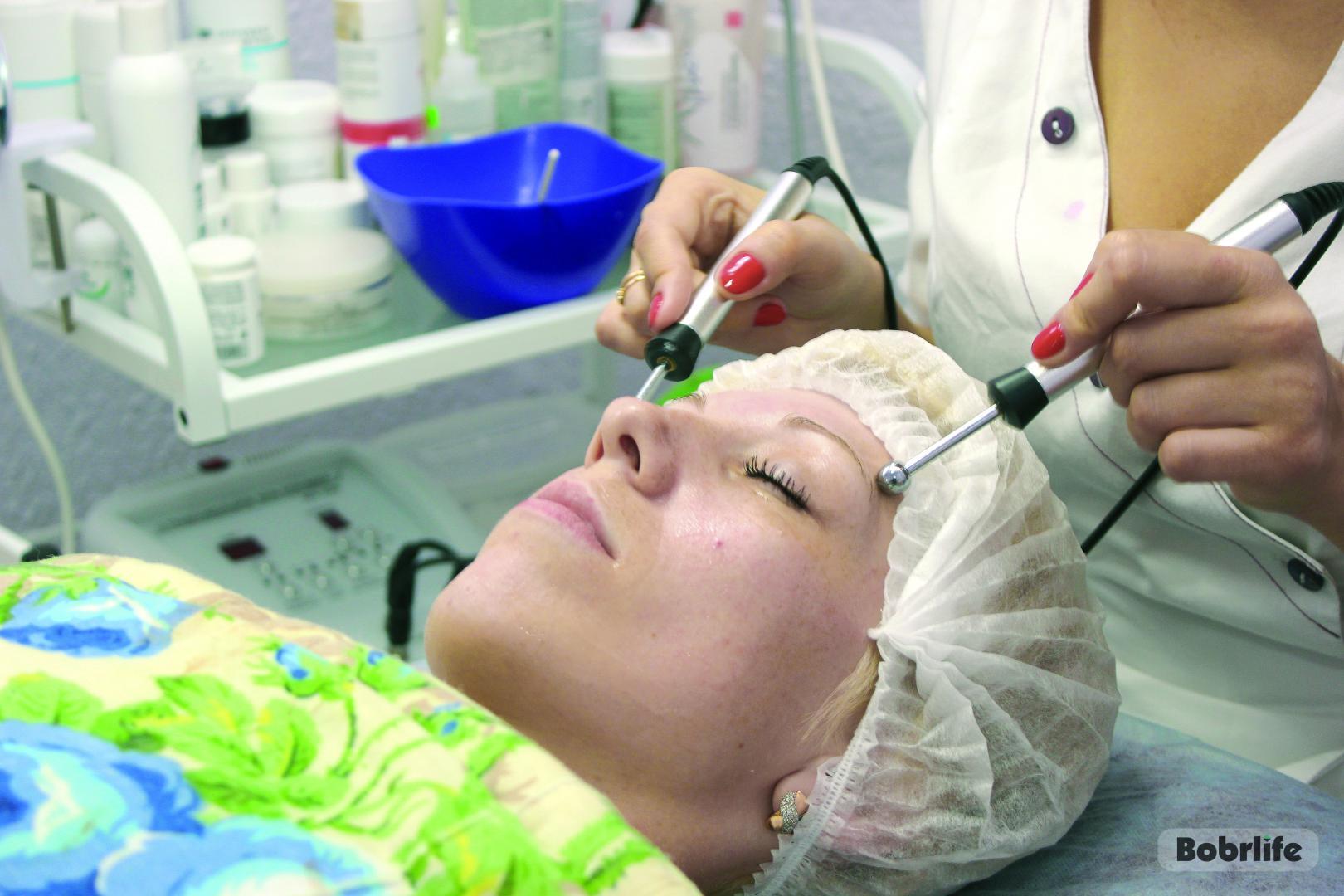
Beauty should not require sacrifices, especially when it comes to health. Today, beauty industry services – manicures, pedicures, tattooing, piercing, and haircuts – have become an integral part of life for many Bobruisk residents. However, non-medical procedures that may involve skin damage carry hidden threats. Specialists from the Bobruisk Zonal Center for Hygiene and Epidemiology remind us: a technician's negligence can lead to infection with dangerous diseases. Any breach of the integrity of the skin or mucous membranes is an open gateway for pathogenic microorganisms.
Through non-sterile instruments, the following can be transmitted:
- Viral hepatitis B and C. These viruses are extremely resilient in the external environment. Hepatitis B remains dangerous on surfaces for up to several weeks. Even a microscopic drop of infected blood, invisible to the eye, on scissors or a drill bit can lead to infection. In the future, this threatens cirrhosis or liver cancer.
- HIV infection. The virus is less stable outside the body than hepatitis, but the risk of infection from using dirty instruments during cuticle-trimming manicures or tattooing remains real.
- Fungal diseases (mycoses). Fungal spores are easily transmitted through nail files, buffers, foot baths, and skin debris on drill bits.
- Bacterial infections. Staphylococcal and streptococcal lesions cause suppuration in the area of the procedure.
Epidemiologist Yelizaveta Chigryay emphasizes: “Simply wiping scissors with alcohol or treating them with an antiseptic is not enough. This does not kill hepatitis viruses.”
In Bobruisk's beauty industry establishments, a three-stage cycle for processing reusable instruments must be strictly observed:
- disinfection
- pre-sterilization cleaning
- sterilization
Svetlana Matlakh, a hygienist at the zonal Center for Hygiene and Epidemiology, recommends that city residents stay vigilant and pay attention to the following details when visiting a nail technician:
- Kraft bags. Sterile instruments must be removed from a special sealed kraft bag strictly in your presence.
- Sterilization indicator. The kraft bag has a square or round indicator. Pay attention to its color: it should change (for example, from beige to brown or from pink to gray, depending on the type of bag). This proves that the bag was actually in a dry-heat sterilizer or autoclave.
- Disposable materials. Files, buffers, wipes, toe separators, sheets, collars, and the technician's gloves must be disposable and disposed of immediately after the procedure.
- Workstation. The table, chair, lamp, and basins must be disinfected with antiseptic after each client. There should be no traces of nail dust from the previous visitor at the workstation.
- Hand hygiene. The technician must wash their hands with soap and treat them with antiseptic (as well as the client's skin in the treatment area) before starting the session, and then put on clean disposable gloves.
"Do not hesitate to ask questions about how instruments are disinfected in the salon. A responsible technician with nothing to hide will proudly show you the sterilizer and explain the safety procedures. Take care of your health and choose only beauty studios that guarantee infection safety!" the specialist emphasized.