Menu
Belarusians are massively pawning their silver at pawnshops – Gokhran
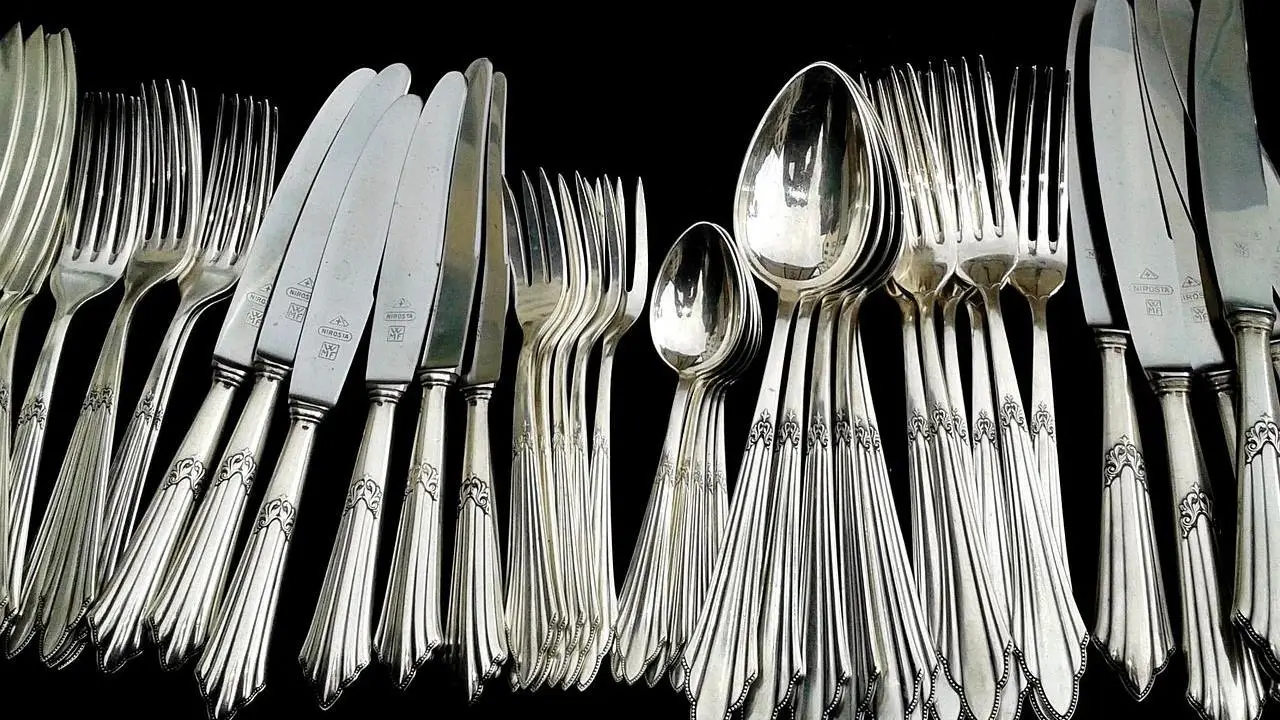
By November 1 of this year, 159 selected valuables made of gold, silver, and platinum will replenish the repositories and museums of Belarus — in Minsk and the regions. This was reported to the Economy of Belarus magazine by the State Fund of Precious Stones and Metals.
The volumes of such transfers change from year to year and depend on specific circumstances.
A record for Nesvizh and museum selection
In 2013-2014, approximately 1,600 items made of gold and silver, close to the era of the Radziwills, were transferred from the State Fund of Precious Stones and Metals to Nesvizh. This is the most notable volume for the mentioned period.
Svetlana Krutko, head of the expert and analytical appraisal department of the State Fund of Precious Stones and Metals, explained that precious artifacts from the beginning of the 15th to the end of the 18th century, when the Nesvizh lands were managed by the magnate family of the Grand Duchy of Lithuania, did not enter the fund. Probably, they did not survive due to wars, destruction, and looting. When the restoration of the Radziwill castle was completed and a museum was being created, its employees came to the State Fund of Precious Stones and Metals for several years, reviewed the values on the accounts, and searched for items of approximately that era — coins, spoons, sugar bowls, candelabras, and dishes.
Among the unusual items are a silver dessert spatula, bonbonniere for dry spirits, and a mesh purse for fashionistas. Mostly, these are items from the late 19th to early 20th centuries.
Findings of the search battalion
The lion's share of the valuables being transferred to museums this year are findings of the search battalion. These are personal items raised from the earth in battle sites and accumulated over many years in the State Fund of Precious Stones and Metals: watches, including pocket watches, rings, brooches, pectoral crosses, badges, spoons, and tableware sets made of silver and gold from the late 19th to 20th centuries.
Where the items will be sent
Since excavations were carried out in different regions, it was decided to transfer the items mainly to the museums of Brest, Vitebsk, Gomel, and Nesvizh. There, they will become the basis for exhibitions. Historical funds will also be replenished with awards — for example, the Medal for Combat Merit, Orders of Glory, and the Red Star.
Silver frenzy and tsarist coins
Lately, the population has been handing over many silver items to pawnshops — sugar bowls, sauceboats, and inkwells. These items have hallmarks from the USA, Portugal, and other countries.
They bring coins, for example, silver kopeks of the Russian Empire of different years of the 19th century, which were minted in large quantities. There is also an American vase from the 1950s weighing 1357 grams. As the appraiser explained, it was brought by a collector: many years ago, he bought it very cheaply, and now he has decided to make some money.
There are few gold coins - they are now very expensive. Mostly, these are tsarist five- and ten-ruble coins of the highest, 900th, standard. They were considered standard, with a minimum of impurities; in the USSR, they were used to make dental crowns. One package can contain up to 15 coins. A five-ruble coin weighs 4.3 grams, and a ten-ruble coin weighs 8.6 grams.
Ideal counterfeits
The most interesting thing is that among such coins, a large number of counterfeits are found. Moreover, they are ideal - the weight and standard match, and they differ from the original only in the method of manufacture: casting instead of minting.