Menu
Autumn fairs have started in Brest
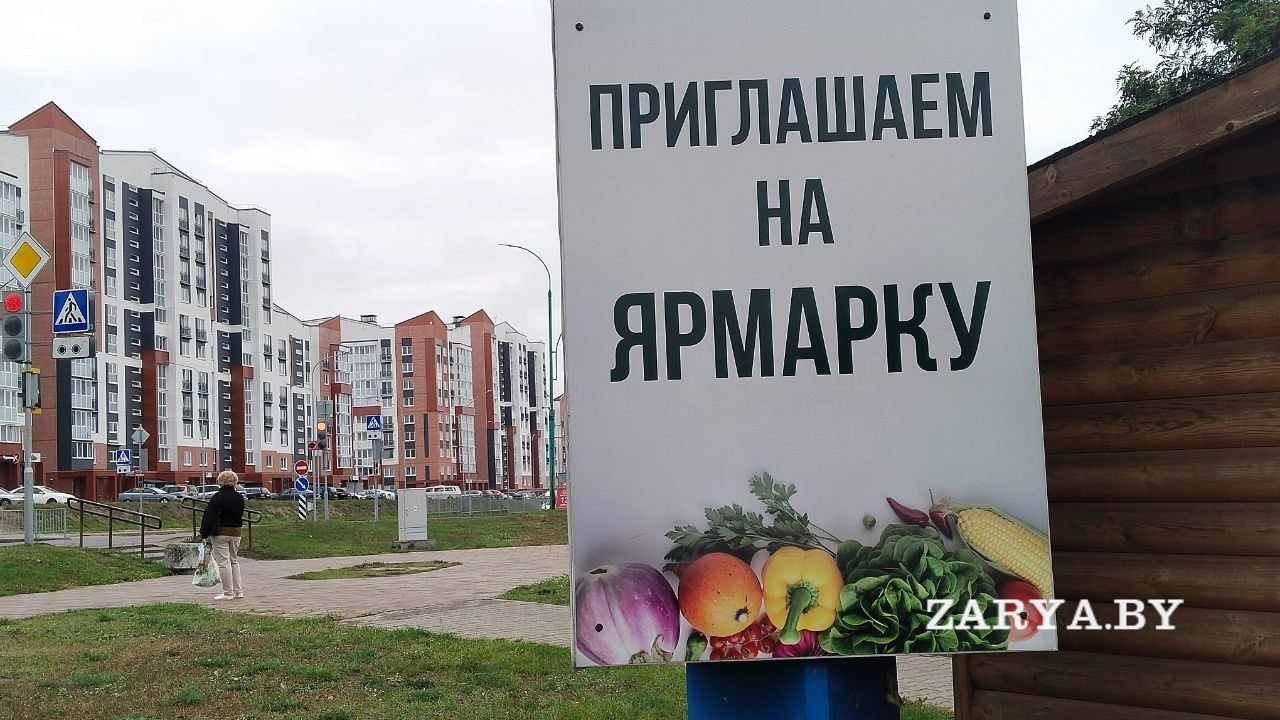
Last weekend, the autumn fair season began in Brest. Residents made their first shopping marathon for winter supplies at five venues – Masherova, Syabrovskaya, Gavrilova, Makhnovicha, and Moskovskaya streets. On September 26, a Zarya correspondent found himself near the Vulka neighborhood. There he decided to find out what the prices were and which products were most in demand.
Vulka is an actively developing neighborhood. Therefore, on a Saturday, lunchtime is the peak influx of shoppers. Some have already run errands and stop by the market on their way back; others, having slept well, have set out on the traditional autumn marathon of buying fruit and vegetable produce. Here you can meet both the older generation, for whom the fair is a mandatory ritual, and young parents with children who want to stock up on the healthy gifts of autumn.
"At a fair, you can always choose fresh vegetables and fruits. After all, in stores they are available in a smaller assortment, more often from producers rather than from one's own farm. And no one has canceled bargaining. I, for example, like the very process of haggling down the price. My parents always attended autumn fairs, and since childhood I've kept a feeling of celebration and a large-scale city event," shared Sergey Mozerov.
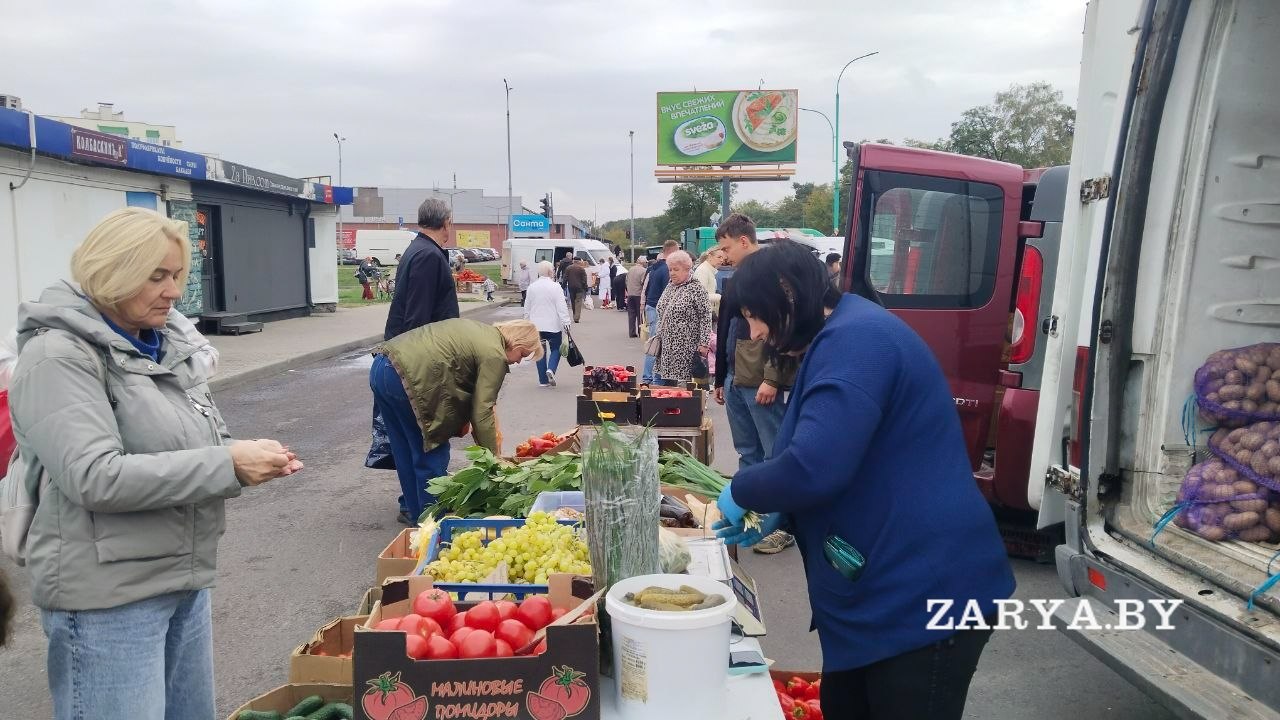
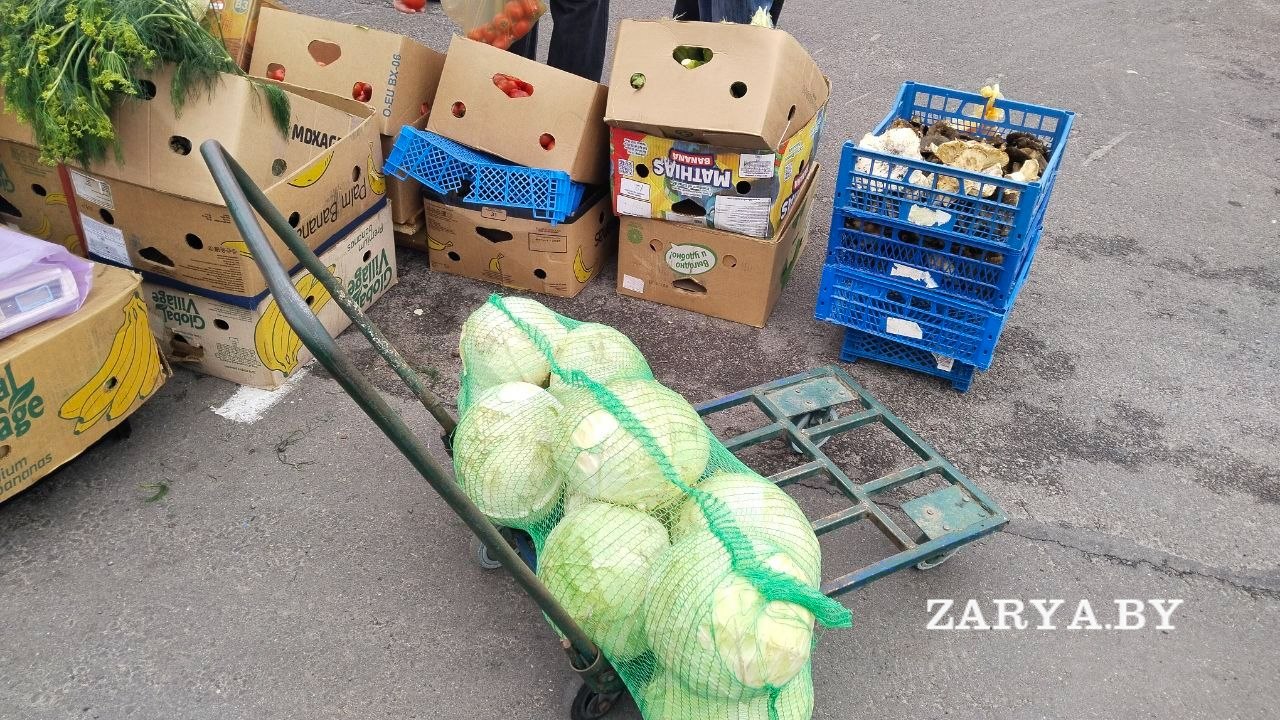
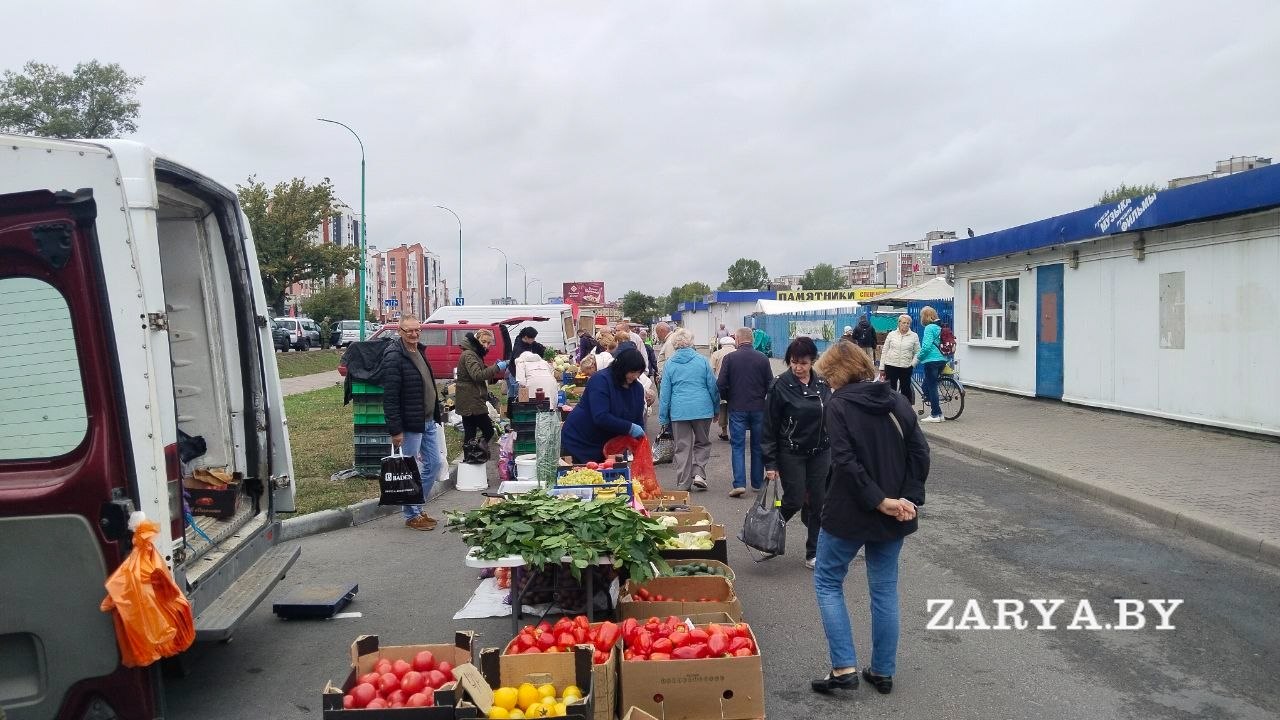
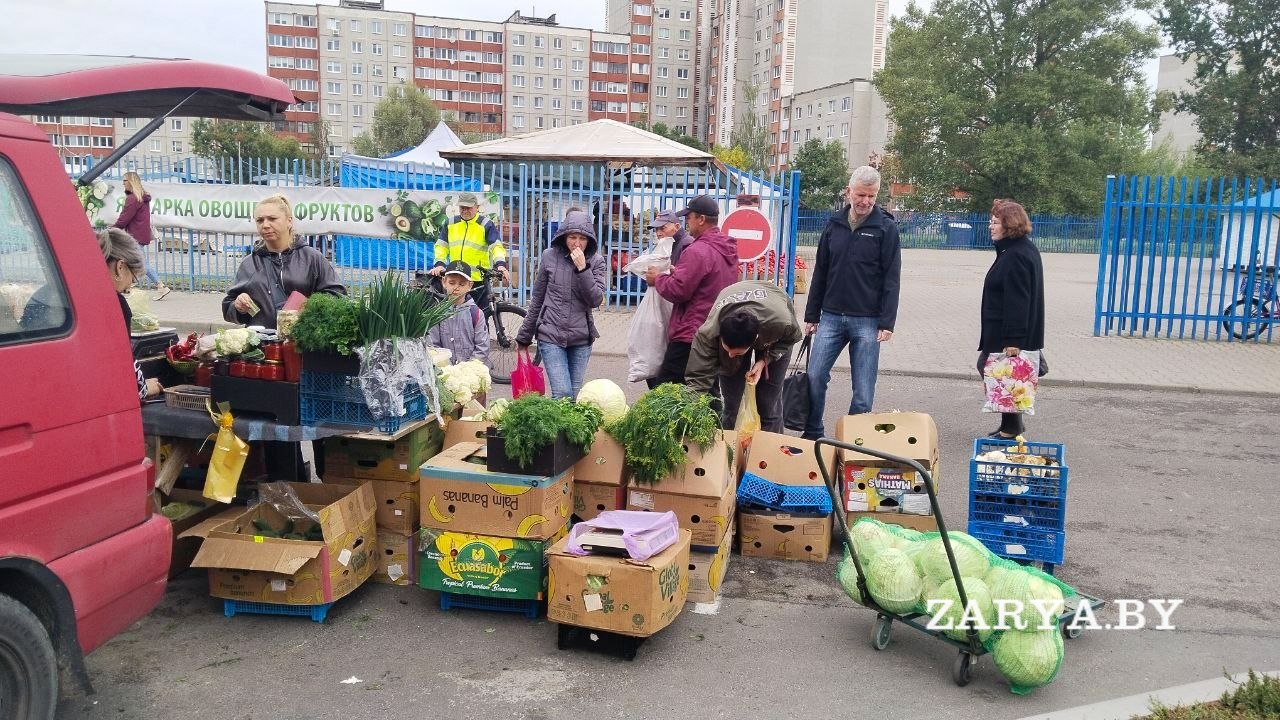
On September 26-27, 346 sellers are taking part in the autumn fairs – agricultural organizations, farmers, and private individuals. Producers are selling their products at reasonable prices. For example, potatoes cost 1.2 rubles per kilogram; carrots, pumpkin, and beets can be bought for 2 rubles per kilogram; for a kilogram of onions you'll have to spend just under 2 rubles; and buying cabbage will empty your wallet by only 1.5 rubles. Peppers, apples, even watermelons, nectarines, and mackerel – all of this can be purchased without a heavy blow to the wallet.
Yulia VOVK
Photo by the author