Menu
At JSC Gudievichi, valuable oil is produced from rapeseed seeds
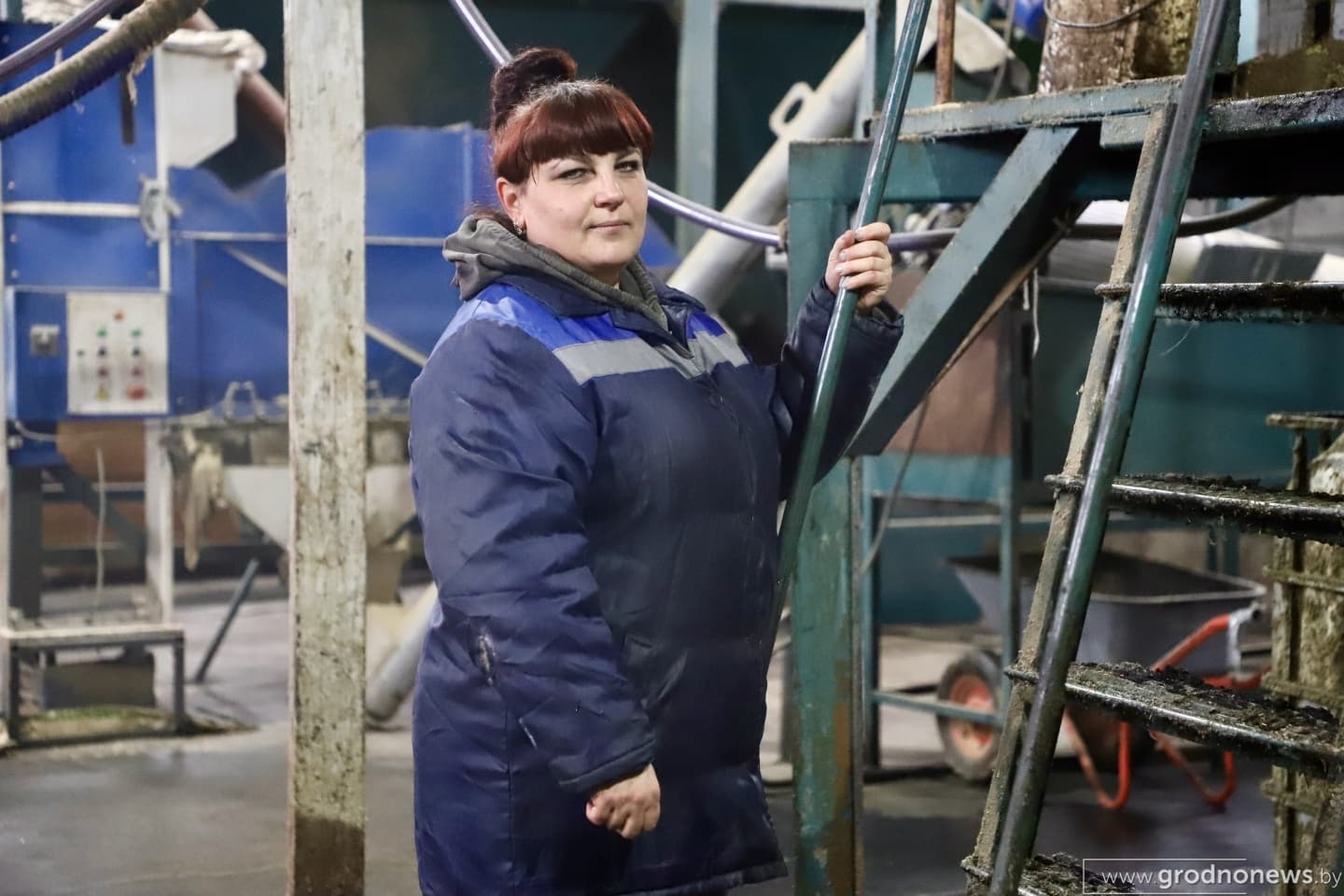
Here they also produce nutritious meal for animal feed.
The company processes about 700 tonnes of rapeseed annually. The zero‑waste production cycle allows them to squeeze the maximum from the harvest: both products remain within the enterprise and enrich the herd's diet. Maria Polubiatko, deputy director for ideological and informational work at JSC “Gudevichi,” explained how the company's own automated plant works and the benefits of rapeseed additives for livestock.
A valuable supplement for the diet
– Over the first nine months of this year we have already processed 424 tonnes of rapeseed. As a result we obtained 256 tonnes of meal and 121 tonnes of rapeseed oil. All of this product is used entirely for our own needs – as animal feed, – the specialist noted.
Rapeseed seeds and their processing products are a very valuable feed additive. Their use helps balance the diet in terms of protein, fat, energy, and essential amino acids. Moreover, such components noticeably improve the taste of feeds, which makes animals eat them with greater appetite.
– Meal is a crucial product, containing up to 40 percent valuable protein. We mainly use it to prepare compound feeds for our large cattle. Rapeseed oil is immediately sent to our pig complex “Iskra” as a feed additive. This approach yields excellent results: the animals consistently gain weight and their milk yield increases, – Maria Polubiatko emphasized.
The nuances of the plant's operation
Oksana Dedul oversees the uninterrupted operation of the rapeseed unit. She has been working here for about seven years and knows the equipment down to the smallest detail.
– First, the delivered rapeseed is deposited into a special receiving pit. Then we start the conveyor, and the raw material is lifted into the bin. From there the grain passes through a cleaner and goes into the accumulator, after which it is sent to the press. As a result we obtain valuable rapeseed oil, as well as meal – the compressed mass that remains immediately after pressing, – the plant worker explained.
According to the specialist, she really enjoys her work, and the main joy in her workdays remains lively interaction with colleagues. However, the plant's work has its own seasonality, linked to the weather.
– In the spring, summer, and fall, the equipment operates at full capacity, and the oil output is the highest. But in the winter, things get more complicated. Due to the frost, the mechanisms freeze, and the pressing process becomes less active, so we have to reduce the speed. At a temperature of minus three or five degrees, we can still work slowly, but if it's minus ten outside, it's not even worth starting the presses. During such severe frosts, the workshop is forced to take a break, – Oksana Dedul shared the nuances of production.
The experience of ZAO Gudievichi clearly demonstrates how a competent approach to business allows you to turn the harvested crop into high-quality feed and create a reliable foundation for the stable development of animal husbandry.