Menu
A catastrophe for the ruble? Experts reveal what will happen to the dollar and what awaits us all very soon.
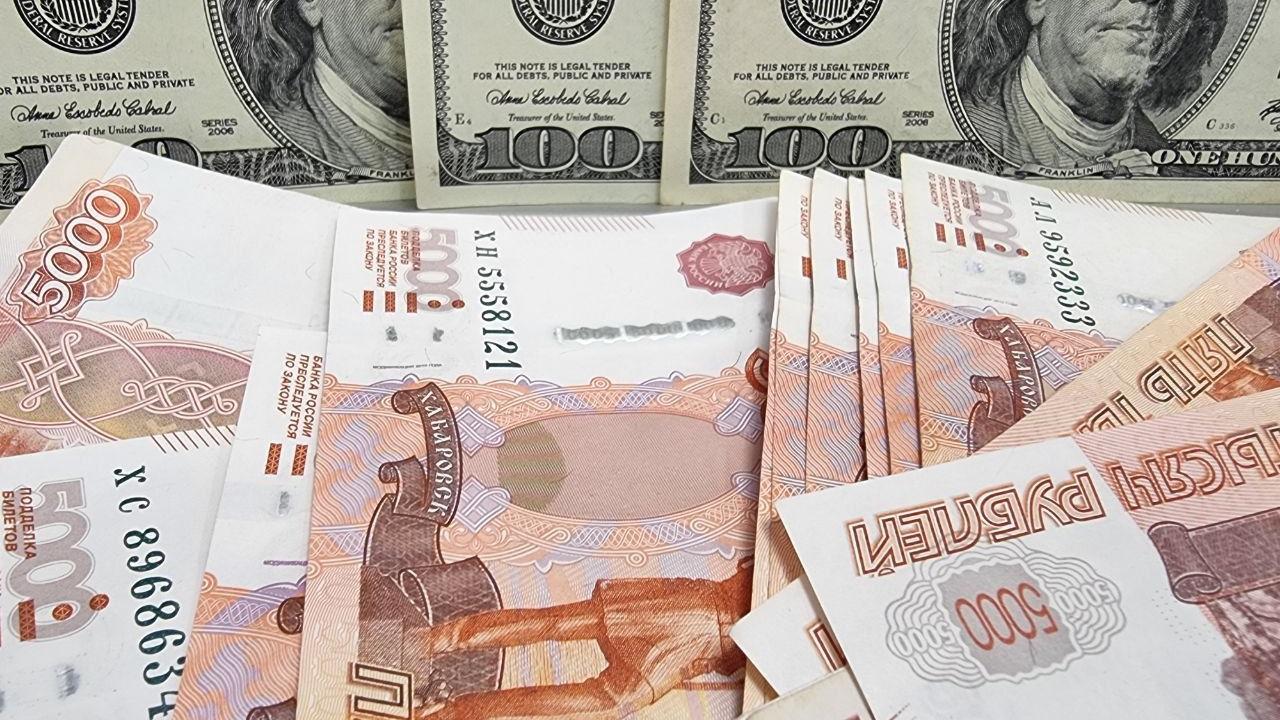
In the next two years, a dollar exchange rate of 140–150 rubles remains an extreme scenario. Experts consider it possible only if several catastrophic factors coincide.
The publication Bankiros investigated what would need to happen with oil, exports, sanctions, and the currency market for the ruble to collapse.
Experts
Evgeny Sumarokov, Candidate of Economic Sciences and Associate Professor at the Financial University under the Government of the Russian Federation, is confident that there are no objective prerequisites for a sharp devaluation of the ruble. The macroeconomy is stable despite sanctions pressure.
The Russian currency is supported by rising oil prices, increased exports of liquefied natural gas, and strong dynamics of the Moscow Exchange index. The 150-ruble scenario is a "perfect storm" where several crisis factors in the economy, politics, and international relations trigger simultaneously. However, the market consensus is built on actual data, not hypothetical horrors.
Peter Arroinet, chief analyst at Ingo Bank, reminds us of the fundamental reasons for the current stability: high prices for Russian oil and a constant import volume of 300–310 billion dollars per year. URALs and ESPO oil trade at either a premium or a discount to Brent, depending on the situation in the Middle East. But growth in oil and gas revenues and the heating season support currency inflows.
Closer to the end of the month, exporters increase sales, increasing supply. Arroinet's forecast: dollar at 84–87 rubles, yuan at 12.7–13, euro at 98–105. A more significant currency rise requires a steady increase in imports, which is not currently observed.
Natalia Milchakova, leading analyst at Freedom Global, analyzed the conditions for the dollar to reach 140–150. This requires an oil crash, new severe sanctions, a sharp domestic demand for foreign currency, and a weakening of currency control. However, the third condition is more a consequence than a cause. The probability of such a scenario within two years is 0.5–1%. The probability of the ruble strengthening by 20–30 rubles is less than 0.5%.
Milchakova outlined darker scenarios: a pandemic more dangerous than COVID-19 with mass lockdowns and a crash in oil prices into negative territory; a complete refusal by China, India, and other BRICS countries to use Russian energy resources; and radical technological changes that devalue oil and gas. "The Russian economy will survive, but the transformation will be difficult and associated with a sharp collapse of the ruble," the expert noted.
Who wins and who loses?
With the dollar at 150, exporters and the budget will win: their goods will become cheaper abroad, and ruble revenue will increase. However, there will be no instant benefit—prices and logistics will need to be adjusted.
People with ruble incomes and savings will suffer the most, especially if the exchange rate quickly feeds into prices. Ruble deposits will not lose value mechanically, but their real purchasing power will fall. Those who have savings in dollars, euros, or yuan, including abroad, will benefit.
If the dollar rises from 85 to 150 rubles, its ruble value will increase by 76%. But that does not mean that prices in Russia will rise by the same amount — the pass‑through of the exchange rate to inflation is incomplete. Milchakova advises keeping savings in foreign currency now, preferably outside Russia, after notifying the tax authorities. Watch the exchange rate: if the dollar quickly moves toward 90, you can buy some. An alternative is foreign‑currency government bonds in yuan or corporate securities in hard currency.