Menu
""" Starting your own business in the countryside: Top 5 successful business ideas for a Belarusian village """
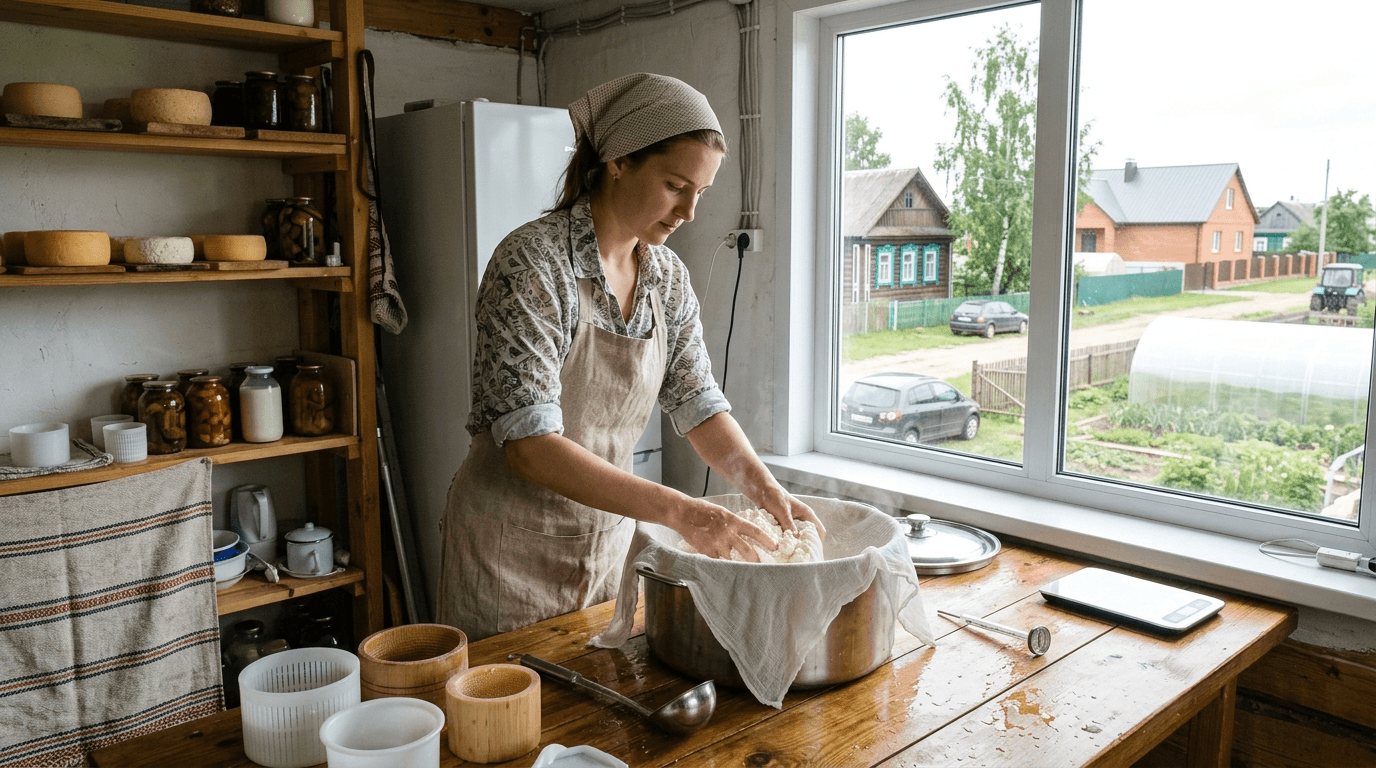
For a long time, village life was synonymous with hard physical labor and working on local collective farms. But today, Belarus’s rural areas are undergoing a quiet revolution. Proximity to European trends, government incentives, internet development, and a growing preference for natural products are creating exciting opportunities for entrepreneurs.
If you’re considering a move to the countryside or already live there and want to start your own business, here’s a list of proven business ideas that are relevant to Belarus.
Why is starting a business in a Belarusian village a good idea?
Before diving into the ideas, it’s worth mentioning a powerful incentive: Decree No. 6 by the President of the Republic of Belarus. It offers significant tax benefits for businesses in rural areas and small towns:
- Exemption from corporate income tax (for 7 years for certain activities).
- Exemption from property tax.
- No customs duties on the import of certain equipment.
- Affordable rental rates and the option to purchase vacant land and buildings for a nominal fee.
Agroecotourism in a new format: from “village cottages” to glamping
Traditional homesteads with saunas and barbecues no longer surprise anyone in Belarus (though there’s still demand for them). Today, eco-minimalism and unique experiences are trending.
Glamping (dome hotels, safari tents, A-frame cabins): city dwellers are willing to pay a premium for an aesthetically pleasing getaway in the wilderness, complete with urban comforts (orthopedic mattresses, hot showers, and a tub on the terrace).
Event tourism: organizing retreats, yoga tours, and workshops on bread baking or pottery.
Where to find customers: Instagram, TikTok, and booking platforms. Belarusians travel extensively within the country, especially during the peak season from May to October.
Niche farming: focusing on high-profit margins
Planting large fields of potatoes isn’t always profitable for individual farmers—it’s hard to compete with large-scale operations. The solution is to grow expensive, in-demand crops.
Berries: blueberries (still the most profitable, though the market is becoming saturated), remontant raspberries, blackberries, and honeysuckle.
Herbs and microgreens: arugula, basil, spinach, and cilantro. Restaurants in Minsk and regional centers are constantly looking for reliable suppliers of high-quality herbs year-round.
Garlic and asparagus: asparagus is gaining popularity in Belarus, with huge demand and minimal competition. Garlic, on the other hand, is in high demand from processing companies. """
""" Medicinal herbs and tea ingredients like mint, lemon balm, thyme, and fireweed are trending, thanks to the growing interest in healthy living. This makes herbal blends a popular choice on e-commerce platforms like Wildberries and Ozon.
Craft production and artisanal goods
Belarusians are growing weary of plastic-packaged food. Products labeled "homemade" and "natural" inspire trust and can be sold at a premium.
Cheese making: Artisanal cheeses from goat or cow’s milk, such as kachotta, belper knolle, and feta, are in demand. A small cheese-making operation on a personal farm can become profitable quickly.
Smoked products and meat delicacies: Homemade sausages, dried meat, and traditional pates are popular.
Apiary and beekeeping products: Selling plain honey in jars is outdated. Creamy honey with berries, zabrus, royal jelly, propolis ointments, and wax candles are now trending.
Fish and crayfish farming (UZV or ponds)
Belarus is rich in water resources, but there’s a shortage of high-quality fresh fish in stores.
Farming trout or sturgeon requires significant investment in closed water supply systems (UZV) but yields high profits.
A simpler option is pond farming of carp, crucian carp, and thicklip carp, combined with paid fishing activities. Adding rental services for gazebos and barbecues can attract a year-round stream of customers from nearby cities.
Another untapped niche is farming river and Australian crayfish.
Wood processing and production for dacha owners
The forest is Belarus’s main wealth, and small-scale wood processing is always in demand. The key is to create products with added value, not just sell raw timber.
Small architectural forms: gazebos, dog houses, swings, fences, and pergolas.
Barrel baths: This trend from the past five years remains popular due to its ease of assembly and high demand among dacha owners.
Chopped firewood in nets and euro-firewood (briquettes) are in demand by both locals and cottage and fireplace owners.
How to start a business in the countryside?
Evaluate logistics. How far are you from sales markets (Minsk, regional centers, district centers)? Are there access roads available year-round?
Study the land status. Not all land can be used for building production facilities or tourist bases. Determine the plot’s purpose (LPH, KFH, or commercial development).
Determine the legal form. For beginners, registering as self-employed (professional income tax - PIT), opening an agro-estate, or registering as a craftsman or LPH owner is often sufficient. For larger projects, a KFH (peasant farm) or LLC is more suitable. """
""" Plan your sales strategy before you start production. Identify your sales channels in advance: social media, weekend markets, restaurant deliveries, and partnerships with local shops.
Running a business in rural Belarus is no longer just for enthusiasts. Today, it’s a thriving economic sector where, with smart planning, hard work, and modern technology, you can earn incomes comparable to—or even higher than—those in the capital. The land rewards those who are willing to work it wisely. """