Menu
""" How to preserve your harvest in the cellar until spring? """
Title: How to preserve your harvest in the cellar until spring? Simple tips without extra costs.
- Key rules for cellars and basements
Most storage problems arise from high humidity, stagnant air, and improper crop coexistence.
Temperature and humidity. The ideal temperature for most vegetables is between +1 and +4 degrees Celsius, with humidity at around 85–90%. If the cellar is too warm, root vegetables will start to sprout, and if it’s too dry, they will wither.
Combating dampness. If condensation builds up on ceilings and walls, place boxes of wood ash, unslaked lime, or coarse salt in the cellar corners. These simple remedies effectively absorb excess moisture.
Ventilation. Do not completely seal ventilation, even in cold weather. Fresh air circulation prevents the growth of mold and fungi.
- Potatoes: protection against rot and sprouting
Potatoes dislike bright light and coexistence with other vegetables, except for one beneficial exception.
Place beets on top. Beets effectively absorb excess moisture released by potatoes. Lay them in one or two layers directly on top of the potato storage—this way, both vegetables will be preserved much better.
Use natural antiseptics.
Cover the tubers with dry leaves of rowan, wormwood, or fern. The phytoncides in these plants suppress rot development and repel rodents.
Do not store near apples. Apples release ethylene, which causes potatoes to sprout rapidly and become limp.
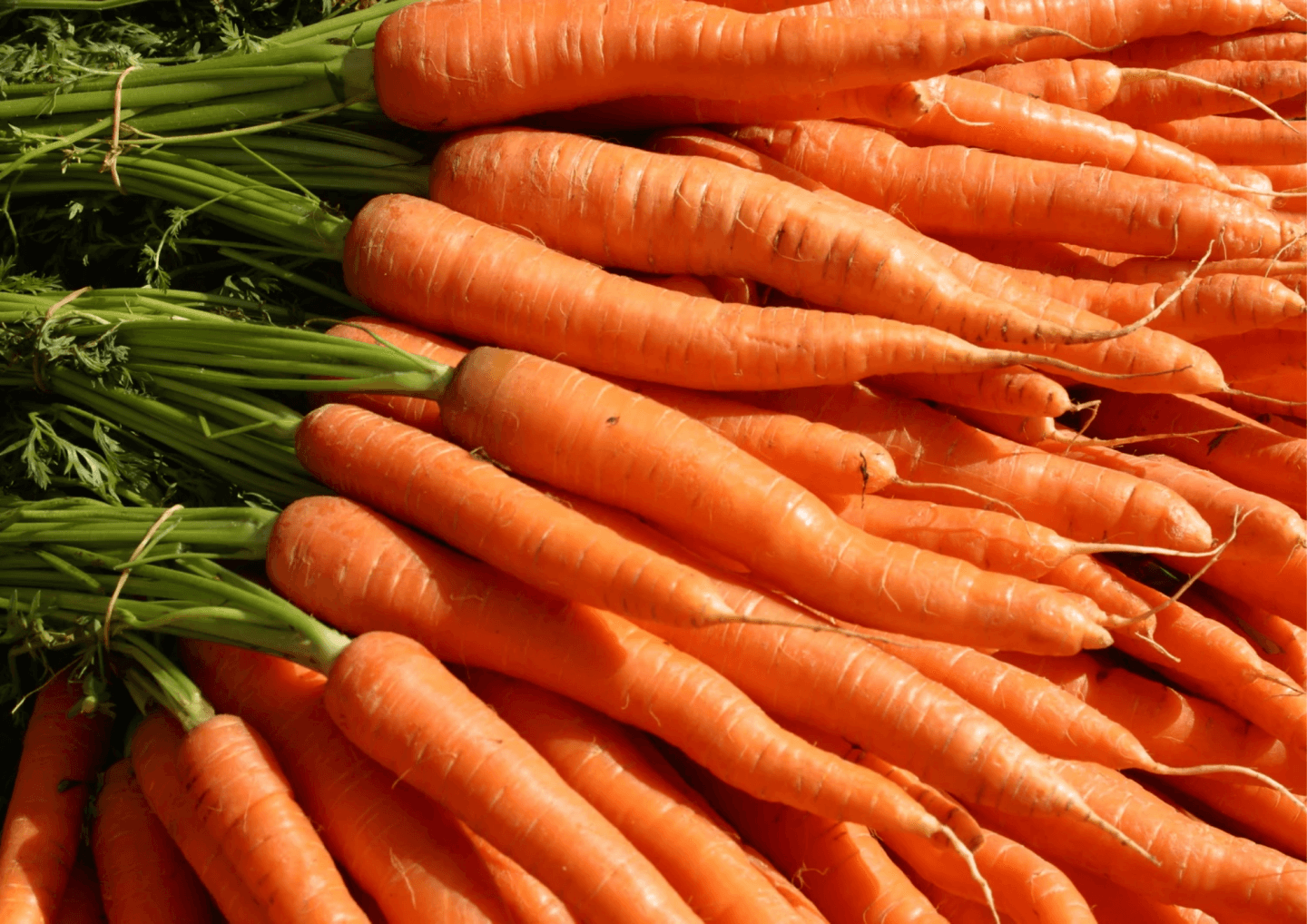
- Carrots: keeping them juicy and crunchy
Carrots lose moisture faster than other vegetables and start to become limp, so they need a special "coat."
Storage in sand or sawdust. Cover the root vegetables with slightly moist river sand or pine sawdust in wooden boxes. Pine sawdust also protects the harvest from fungal diseases.
Onion peel. If sand is unavailable, cover the carrots with dry onion or garlic peel. Essential oils will prevent spoilage until spring.
Trimming the tops. Ensure the tops are cut level with the head (1–2 mm below the growth point); otherwise, the carrots will start to grow and become tasteless.
- Cabbage and onions: each has its own conditions
These crops require vastly different humidity levels, so it’s best not to store them together.
White cabbage. It is best stored suspended by its stalk or wrapped in several layers of ordinary newspaper (the paper will absorb excess condensation). """
""" Onions and garlic require dry air and room temperature (or a cool pantry), unlike root vegetables. Storing onions in a damp basement will cause them to rot quickly. Keep them in woven baskets, nets, or cardboard boxes with air holes.
- Apples: Keep them fresh and fragrant until May
Winter apple varieties can stay fresh throughout the winter if you follow three simple rules.
Sorting: Only store whole fruits with stems, free from dents or wormholes. A single rotten apple can quickly spoil an entire box.
Individual packaging: Wrap each apple in thin paper or a napkin, then place them in wooden boxes in one or two layers.
Separate storage: Keep apple boxes away from potatoes, carrots, and cabbage to prevent the fruits from absorbing any "basement" odors.
One final important tip: Every two to three weeks, take a flashlight down to the cellar and inspect your supplies. Removing a spoiled root vegetable in time can save the rest of your harvest. """