Menu
""" How to choose an electric razor: tips and 2026 device ratings """
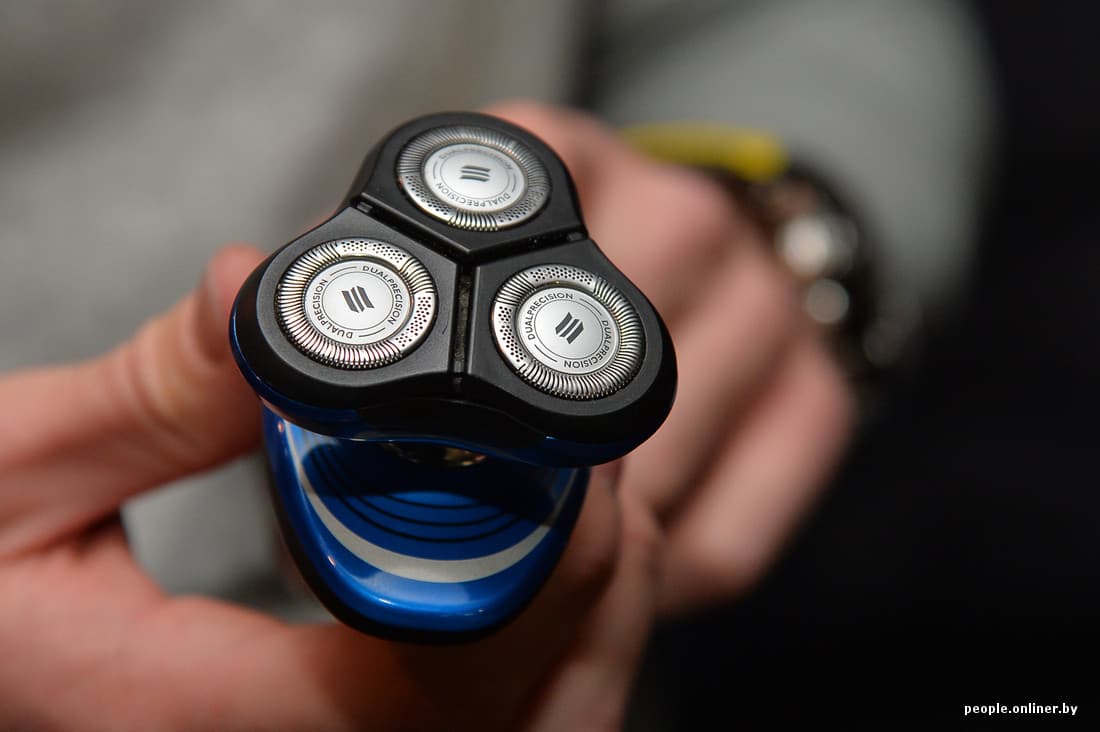
Rotary or mesh? With or without a trimmer? Can you shave with foam, and how important is the price? Electric shavers have many differences that aren’t always obvious from the product description. We’ve created a detailed guide to help you understand these devices and choose the right model. We’ve also compiled a top 10 list of electric shavers that are most frequently ordered in the Onlíner Catalog.
What is this text about?
Which electric shavers are people buying right now? Here’s the ranking:
- Wahl Professional Super Close 3616-0470
- Polaris PMR 0613RC wet&dry 4D PRO 5 blades+
- Philips Series 1000 S1151/00
- Wahl 3615-0471
- Xiaomi Mi Electric Shaver S500
- Braun Series 3 Shave&Style 300BT
- BaByliss PRO FXFS2E
- Destin DSN3615
- Braun Series 9 Pro+ 9510s
- Panasonic ES-RT77-S520
Rotary or mesh: what’s the difference?
Electric shavers come in two main types: rotary and mesh. They differ in the design of their cutting elements and the shaving technique. Each type has its own advantages, but there’s no clear winner among them.
Rotary shavers typically feature three or two round heads. Beneath the perforated metal discs are rotating blades that cut hairs that fall into the holes. The heads can tilt to follow the contours of the face, and the design allows for capturing stubble growing in different directions.
These shavers are ideal for use on areas with complex contours, such as the chin and neck, where hair often grows at different angles. During shaving, the device is moved in small circular motions without applying strong pressure.
Mesh shavers have an elongated shaving head with a thin metal mesh. Beneath it are blades that move quickly from side to side. Hairs fall into the small holes of the mesh and are cut by the blades.
When shaving, the mesh head is moved across the skin in straight motions, usually against the direction of hair growth. Unlike a rotary shaver, there’s no need to make circular motions here—just sequentially process small areas of the face.
What to choose? A rotary shaver may be more convenient if stubble grows in different directions, especially on the chin and neck. A mesh shaver is ideal for those who prefer straight shaving motions and typically keep their stubble short. """
""" These are just guidelines, though. Both systems are suitable for regular home shaving, and the result depends on the specific model, beard characteristics, technique, and individual skin reaction. Therefore, when choosing a razor, it’s important to consider not only the type of razor but also your personal comfort: the same system may be comfortable for one person and uncomfortable for another.
Built-in trimmer or separate device: what to choose?
A trimmer can be a standalone device or an additional component of an electric razor. Some models feature a retractable attachment on the body, which is useful for trimming sideburns, mustaches, or shaping beard contours. Others have a replaceable attachment. However, not every razor has this feature.
A full-fledged trimmer allows you to maintain hair at a specific length. It can be used to keep short stubble, trim a beard, and shape a mustache. Comb attachments are used to adjust the length, as they set the distance between the blades and the skin. The range of settings varies by model. Some devices also come with attachments for removing nose and ear hair or for body care.
A built-in trimmer is handy for occasionally adjusting sideburns or beard contours. However, for regular beard care and maintaining a specific length, a separate device with a set of attachments is more convenient.
Wet or dry shaving
Most electric razors are designed for dry shaving: they are used without water, foam, or gel, on clean, dry skin.
Some models also support wet shaving (Wet & Dry). With these, you can use shaving foam or gel. Such products reduce friction and help the shaving head glide more smoothly over the skin. This can be especially beneficial for those who experience irritation after shaving. However, skin reactions are individual: some people find it more comfortable to shave with foam, while others prefer dry shaving.
How can you tell if a razor is suitable for wet shaving? Look for the Wet & Dry designation in the specifications or relevant information in the instructions. The IPX7 or IPX8 marking alone is not enough: it indicates the degree of protection of the body from water, but does not replace the manufacturer’s recommendations for using the device.
Also, pay attention to the difference between the ability to rinse the razor under a tap and the permission to use it with foam or gel. These are not the same thing. And the ability to shave directly in the shower should be separately provided by the manufacturer.
Autonomy and charging """
""" When choosing an electric razor, it’s important to consider battery life and charging time. Many models offer around 40–60 minutes of cordless use, which is sufficient for approximately 9–20 shaving sessions if you shave daily for 3–5 minutes. Exact performance depends on the device and how it’s used.
Charging times vary by model, ranging from one hour to several hours for a full charge. Some manufacturers also offer fast-charging options, such as """