Menu
""" Grodno Vegetable Factory: Yesterday, Today, and Tomorrow """
The history of the Grodno Vegetable Factory is a story of the people who have worked and continue to work there.
Sofia Maksimyuk joined the company just two years after it was founded, starting as a greenhouse worker and eventually becoming a manager. Svetlana Danilevich has been growing vegetables in greenhouses for nearly 40 years and remains dedicated to her profession. Meanwhile, young specialist Roman Chirkin takes care of plant health and masters a craft that determines the future harvest.
"I knew how to care for plants."
Sofia Pavlovna Maksimyuk joined the factory in 1974. By then, she had moved to Grodno to be with her husband, and the company, which had started operating in May 1972, was building its team.
"My husband worked in Grodno, so I moved here too. I heard they were hiring workers for the vegetable factory, so I went to apply. But there was no specialist position available. The director said, 'Go work in the greenhouse, you'll get on the apartment waiting list, and we'll see what happens.' I agreed," Sofia Pavlovna recalls.
Working with plants captivated her so much that she no longer wanted to return to her original plans.
"I worked as a greenhouse worker for over ten years. I always had high yields, knew how to care for plants, and could just sense them," says Sofia Pavlovna.
After three years, the family was given a two-room apartment. Sofia Maksimyuk continued her education, enrolling part-time at the Grodno Agricultural Institute and graduating. She then became a brigade leader in vegetable growing, followed by a section head. Later, she worked as deputy director and chief agronomist, combining the roles of deputy director for production and chief engineer.
"I loved my job very much. We had good yields in the section, and our financial situation was excellent—we worked with a profit. I worked as a section head for a very long time. Then the manager decided I didn't have enough workload, and I was offered other positions," she says.
Sofia Pavlovna admits that her love for vegetable growing is also tied to childhood memories. She grew up in a large family—her mother raised ten children.
"I was the tenth child. I remember there was always a shortage of vegetables: we planted potatoes, then went to dig peas to last until spring. You could say that my childhood dream was to have plenty of vegetables. Now I have a huge garden and orchard, and in summer there are all kinds of vegetables in abundance. I enjoy it," Sofia Pavlovna shares. """
""" After retiring, she continued working as a lead agronomist at the Porechanka branch of the Grodno Meat Plant. There, she was tasked with establishing a blueberry plantation.
“They hired me to plant a blueberry plantation. I visited specialists and learned how to care for it. I planted 40 hectares. When I left, the plantation had already started bearing fruit, and we harvested the first crop—20 tons. The blueberries continue to produce a harvest to this day. People remember me, invite me, and treat me to berries. I enjoy going there and interacting with people. I’m satisfied with my life,” she says.
Growing vegetables is a lifelong passion.
Svetlana Danilevitch has only one entry in her work record: employment at the Grodno Vegetable Factory. She joined in 1987 after completing her studies and has been working there ever since. Today, Svetlana Alekseevna is a vegetable grower in the third section.
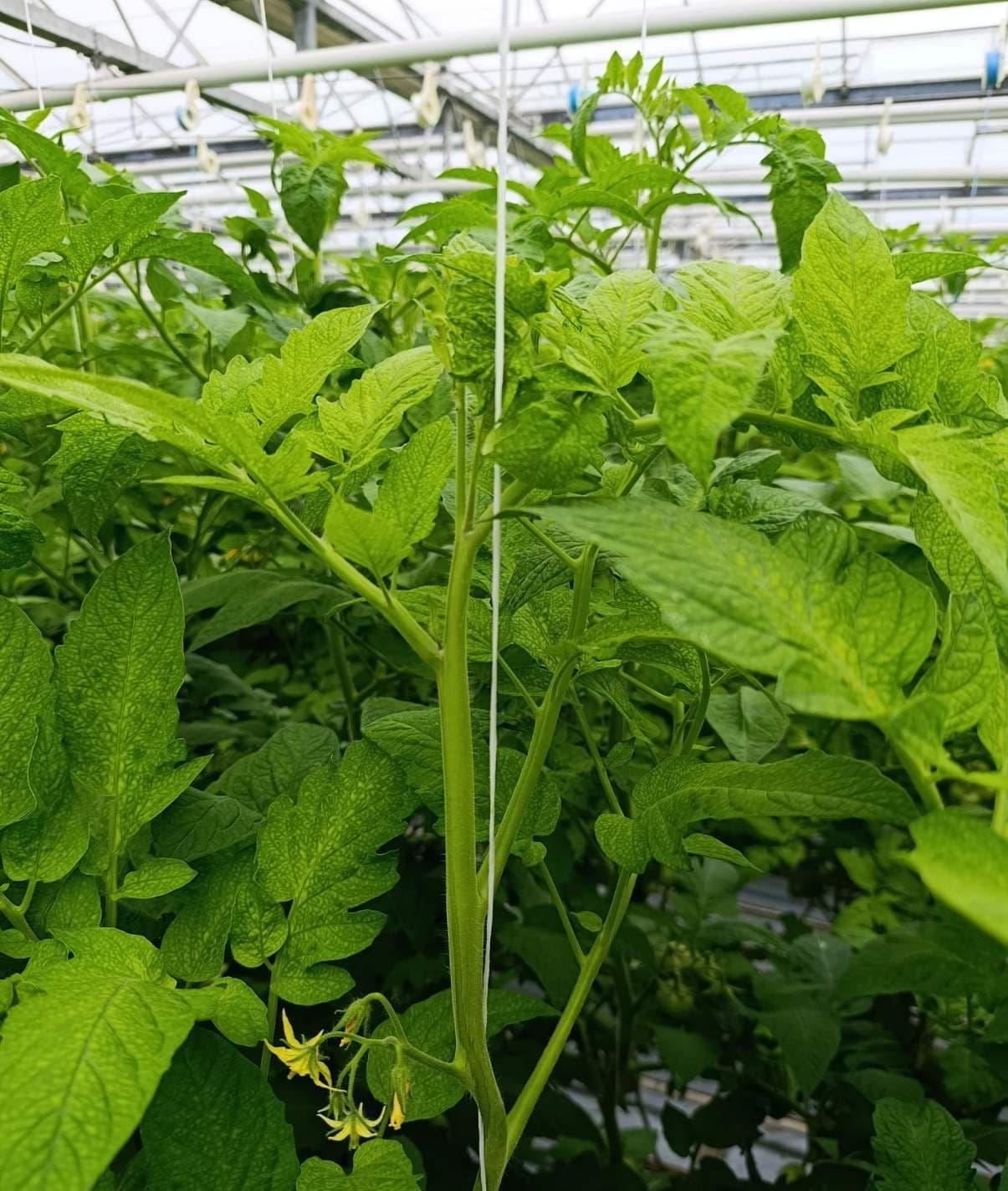
Her job involves constant care for plants: tying them up, shaping them, removing extra leaves and stepchildren, monitoring the brushes, and harvesting ripe fruits. The work continues almost year-round, from preparing seedlings to the end of the harvest.
Each vegetable grower has their own area of work on the site—over 11 acres, with approximately 3,600 plants. In 2025, Svetlana Danilevitch harvested 62 tons of vegetables. Her efforts were recognized with the “For Labor Merit” medal.
The factory uses biological plant protection methods, relying on beneficial insects to combat pests. Plants receive nutrients through a drip irrigation system. Over the years, Svetlana Alekseevna has learned to notice changes in plant conditions and respond to them promptly.
She initially chose her profession after reading a newspaper article about vegetable growers’ work. She considered other options, including becoming a cook, but decided to work in greenhouses. The warm, green environment, a supportive team, and the ability to see the results of her work have helped her stay in her chosen field for four decades.
Young specialist in plant protection
Roman Chirkin is 25 years old. He graduated from Grodno State Agrarian University with a degree in “Plant Protection and Quarantine” and has been working at the factory for about a year and a half. After graduating, he worked at the “Agrocombinat Mir” in the Baranovichi district before transferring to Grodno to be closer to his wife.
Roman checks the phytosanitary condition of greenhouses with tomatoes and cucumbers, ensuring the plants are not affected by diseases or pests. The factory uses biological protection methods, such as beneficial insects to combat spider mites and other pests. """
""" – I inspect the greenhouses to ensure there are no diseases or pests. If I find anything, I immediately record it in the phytosanitary journal. The earlier we detect a problem, the easier it is to address, explains Roman.
At the end of the season, preparations begin for the next cycle: plants are removed, the greenhouses are cleaned, washed, and treated. Roman ensures the work is done thoroughly. Once new plants arrive, monitoring will start at the earliest stages.
– I enjoy my job. Biological plant protection methods are fascinating. When I first started, I didn’t notice everything right away, but now my eye is trained: I quickly understand where issues might arise and """