Menu
""" Belarusian tourist information centers are set to change their operating format. What does this mean for travelers and the Mogilev region? """
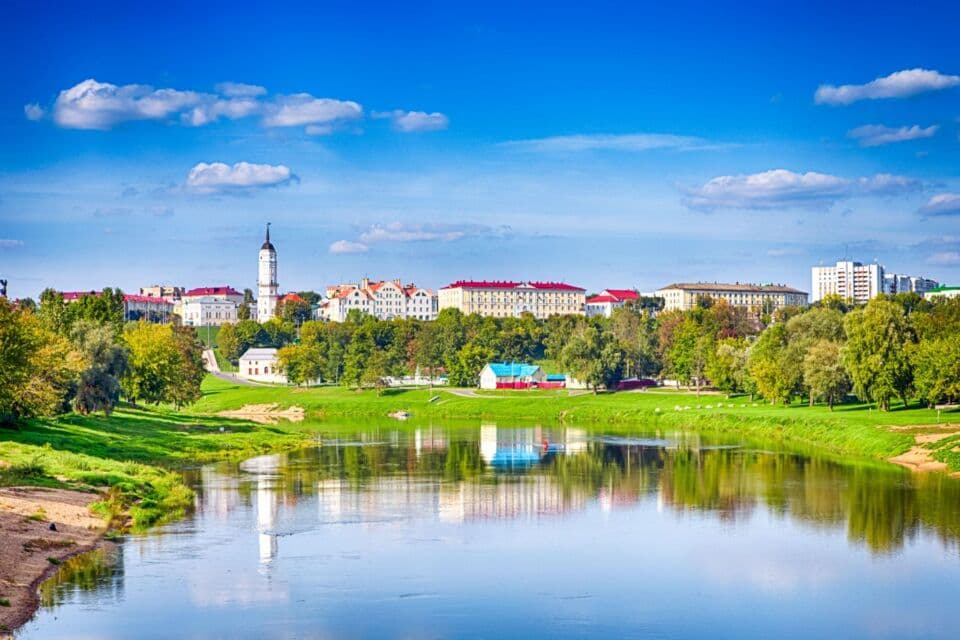
Belarus is overhauling its tourist information center system. The government has approved a new operating model, replacing scattered district and city organizations with a more centralized network of regional and interregional tourist information centers (TICs). These centers will not only provide information about attractions but also offer tourists additional paid services.
The changes are outlined in Resolution No. 575 of the Council of Ministers of the Republic of Belarus, dated November 6, 2026.
How will the new network function?
Plans include establishing six regional tourist information centers and a city center in Minsk. Regional TICs will showcase the tourist attractions of their entire region and coordinate the work of their branches and interregional centers.
Interregional TICs will connect several territories sharing common history, culture, tourist routes, and transportation logistics. Their goal is to promote the potential of entire regions, not just individual cities or districts.
This approach aims to present regional tourist opportunities comprehensively, while also fostering more organized collaboration between centers.
More than just consultations: what new services will be available?
A key change is the expansion of TICs' ability to provide paid services.
In the future, tourist information centers will be able to offer:
- pre-designed tourist routes and excursion programs;
- hotel, agro-estate, and other accommodation bookings;
- tickets for cultural, sports, and mass events;
- rental of bicycles, skis, boats, tents, and other tourist equipment;
- tourist group accompaniment;
- souvenir and handicraft products.
This means TICs will gradually evolve from mere information hubs into full-fledged travel organizers.
How will the generated revenue be utilized?
The resolution allows state TICs to retain funds earned from income-generating activities after covering mandatory payments and related expenses.
These funds can be used to provide additional bonuses to employees and purchase goods, services, and works necessary for the centers' operation.
This is expected to create additional incentives for developing their own services and reduce TICs' reliance on budget funding.
What changes will occur for the Mogilev region? """
""" Mogilev Oblast will also be integrated into a new tourism promotion system. The regional center will be responsible for showcasing the region’s tourism potential in a comprehensive manner, while interregional structures will be able to unite areas with shared tourism opportunities.
For travelers, this could mean easier access to routes, excursions, accommodation options, and interesting events, not only in Mogilev itself but also in other parts of the region.
However, the specific locations of the new units and the distribution of service areas still need to be determined as part of the organizational work.
When will the new system become operational?
Decree No. 575 came into force on November 11, 2026, but some provisions are being implemented gradually.
Regional executive committees have been instructed to take the necessary measures to implement the document within three months. According to Kirill Masharsky, Director of the National Tourism Agency, the new structure should be fully operational by February 2027.
However, some provisions of the document will come into effect later, with certain provisions scheduled for July 1, 2027.
The main goal of the reforms is to make tourism information centers more effective, expand the range of services, and improve the promotion of tourism opportunities in Belarusian regions. """