Menu
""" Belarus has adopted its 2027 budget – who will receive increased tax deductions and what new benefits will be introduced? """
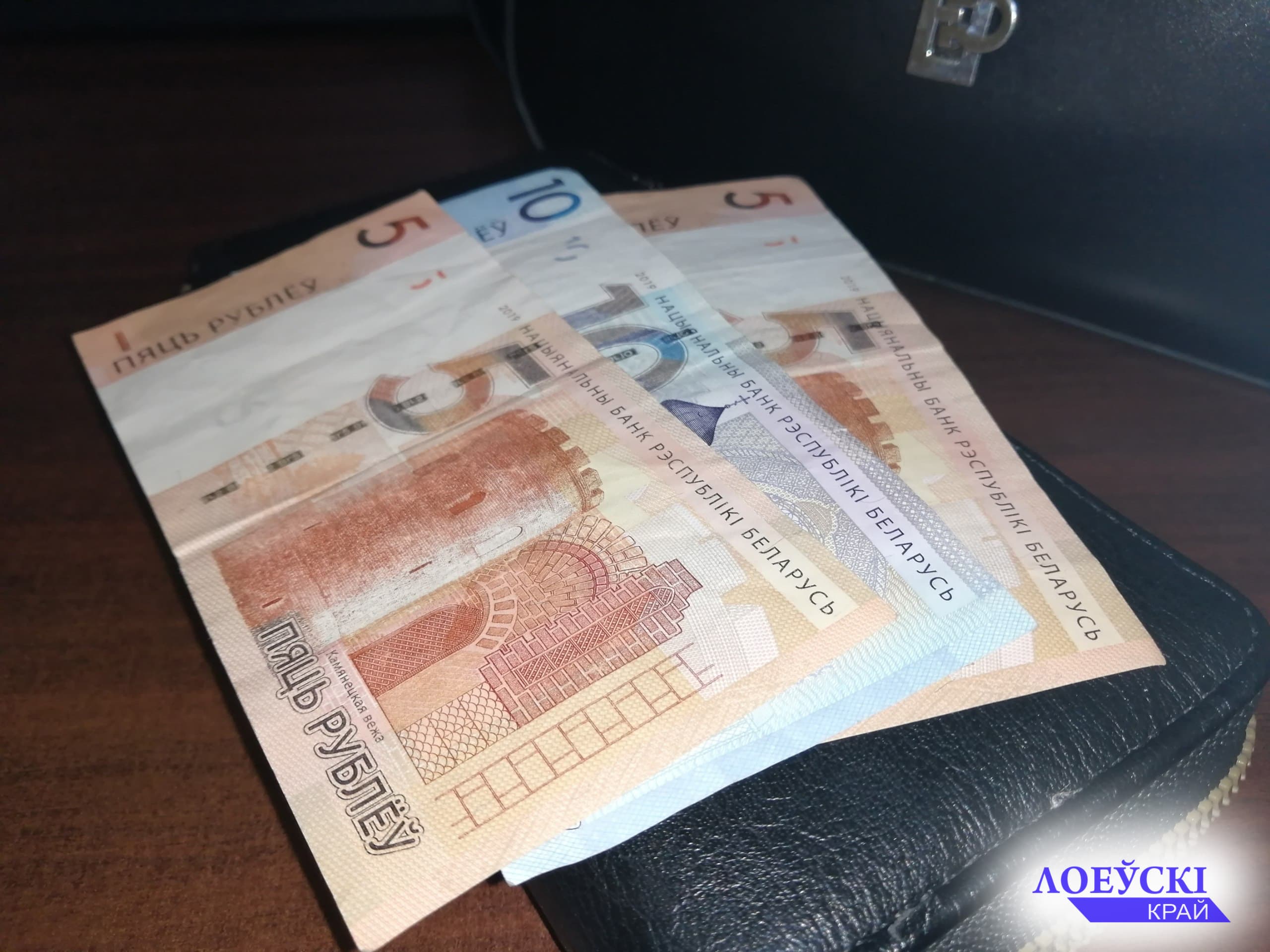
The House of Representatives of Belarus’s National Assembly has adopted two key documents in their second reading: a draft budget for the coming year and a bill amending the country’s Tax Code for 2027. The bill does not propose a radical overhaul of the tax system, but rather introduces specific adjustments in areas such as administration, rate indexing, and obligation fulfillment deadlines.
What changes are being made to the Tax Code?
It’s worth noting that Belarus’s tax legislation is continually evolving, responding promptly to societal changes and applying to both individuals and businesses. It’s also important to dispel the notion that, because taxes exist, the state is constantly looking for new ways to make its citizens pay.
In general terms, changes affecting individuals will include increases in standard deductions and tax-exempt limits, postponed deadlines for filing tax returns, and a 6.2% inflation-based indexation of fixed tax rates.
However, the current bill actually does the opposite: it expands the category of individuals eligible for tax deductions and introduces adjustments to income tax return filing and payment deadlines for taxpayer convenience (an innovation that primarily benefits businesses). Special attention has been given to controversial healthcare fees, which will become eligible for benefits starting January 1.
Regarding tax deductions, the standard deduction has been increased for young professionals, with the deduction amount rising to nearly the level of the minimum wage. The definition of who qualifies as a young professional has also been expanded. Under the amended Tax Code, Belarusian citizens who have received education outside the country through international programs or agreements will be considered young professionals and will be entitled to a tax deduction. The deduction amount, taking into account the January 1 increase, will be 964 rubles. """
""" This is a significant amount. For instance, a young teacher who joins a school will not have to pay taxes on the income earned from half of their teaching workload. Given the heavy workload often assigned to young teachers, even one-third of their salary will be tax-free. Notably, the tax deduction for young professionals remains valid for seven years after securing their first job, regardless of career progression.
Starting January 1, several tax benefits will increase: the standard tax deduction, the maximum income eligible for a general deduction, and the deduction for children under 18 and dependents will rise from 63 to 69 rubles per month. This means employees with non-working family members, such as children under 18 or disabled individuals, will not pay income tax on this amount. Additionally, the enhanced child deduction for widows and guardians will also increase. These changes will particularly benefit low-wage earners, young professionals, and families with children.
The tax-exempt threshold for gifts received from non-close relatives and international transfers will increase from 6,000 to 6,558 rubles annually. Similarly, gifts and material assistance from an employee’s primary workplace will rise from 3,910 to 4,283 rubles.
To ease compliance, taxpayers will have more time to file their income tax returns for the previous year. The deadline has been extended from March 31 to April 30, and the deadline for submitting tax notifications has been moved from April 30 to June 15. The tax payment deadline has also been extended from June 1 to August 1.
A key update aligns with Presidential Decree No. 304 of September 7, 2026, regarding tax exemptions for funds collected for medical treatment. Citizens who receive gratuitous assistance for treatment, surgery, medication, or therapeutic nutrition—in any form, including for adults, disabled children, or children under 18—are fully exempt from income tax, provided they have a special certificate confirming the need for specific treatment. In such cases, there is no upper limit on the tax-exempt amount. """
""" A cap will be placed on the amount of tax-free assistance if the aforementioned certificate is not provided. From January 1, this cap will be set at 28,399 rubles per year from all sources, including all individuals and organizations that have contributed to fundraising. Any amount exceeding this annual limit will be subject to a 13% income tax.
Another change relates to the sale of jointly owned property. Currently, income tax is levied on the individual who is a party to the transaction or receives payment upon sale, even if the second owner has provided notarized consent for the sale. From January 1, each owner of the property being sold will pay income tax based on half the value of the property if there are two owners, one-third if there are three, and so on. This change is fair, as it ensures that income tax is distributed among all owners. It’s important to note that income tax on property sales only applies to properties sold for the second or subsequent time within the last five years. Properties sold for the first time within this period—including apartments, residential houses, cottages, garages, and land plots—are exempt from income tax. If a joint owner has sold their own property within the last five years and now sells a jointly owned property of the same type, they will pay income tax on half of their share of the income received from the sale.
There’s one more detail: Belarusian citizens residing permanently abroad, as well as foreign citizens and stateless individuals, pay income tax on the first property sold within five years. If there are multiple owners, residents of Belarus are exempt from income tax on the first sale within five years, while non-residents pay tax based on their share of the sold property. For example, if two resident brothers and their non-resident sister sell an inherited apartment, the sister must pay tax on one-third of the portion of the apartment that belongs to her.
Benefits for businesses
Amendments to the Tax Code will provide targeted simplifications and advantages for businesses in specific procedures and regimes under which they operate. """
Fragment 4/5 of the article to translate:
""" Self-employed individuals will now have more time to declare their income, as the deadlines for filing tax returns and paying taxes have been extended. However, there is no financial benefit, as the minimum monthly tax payable even in the absence of orders and sales, as well as the craft tax, will be indexed.
The same applies to sole proprietors, whose unified and income tax rates will be increased by 6.2%.
Large organizations, such as limited liability companies, stand to gain the most benefits. One of these is the ability to switch to a simplified tax system after reorganization, starting from the following year, regardless of when the reorganization took place. However, only organizations that did not exceed the basic revenue threshold of 2.8 million rubles over nine months this year will be eligible to make this switch. Companies with higher revenues will not be entitled to switch to a simplified tax system and its associated benefits.
Switching to a simplified tax system will allow businesses to calculate net profit without accounting, based solely on their own accounting policies. Another benefit for organizations that switch to a simplified tax system after reorganization is exemption from property tax when renting walls and roofs for equipment and advertising purposes.
Switching to a simplified tax system will help businesses avoid disputes and claims during financial audits of various types.
Social focus of the budget
The budget for the coming year is designed with a deficit: approximately 60.8 billion rubles in expenditures and nearly 59 billion rubles in revenues, resulting in a deficit of around 0.5% of GDP. Notably, the deficit is planned to be almost half of what it was a year ago, as the deficit for 2026 was over 4 billion rubles. Incidentally, for EU countries, 3% of GDP has long been the norm, but some of them have had over 5% for years.
Overall growth in social spending, including public sector wages, will be 11–12%. Education will receive 17% more funding, while healthcare will receive 14% more.
Over 10 billion rubles will be allocated to finance the economy, which is 7% more than this year. Spending on scientific, technical, and innovative activities, as well as on national defense, including the Armed Forces, the judicial system, and law enforcement, will also increase.
The government plans to allocate approximately 10% more than this year for culture, sports, and the media. """
""" Meanwhile, the limit for domestic government debt this year is set at 30.5 billion rubles, while external debt is capped at 15 billion dollars—3 billion dollars less than this year. """