Menu
What will happen to the dollar if Japan starts mass-selling US Treasuries to defend the yen
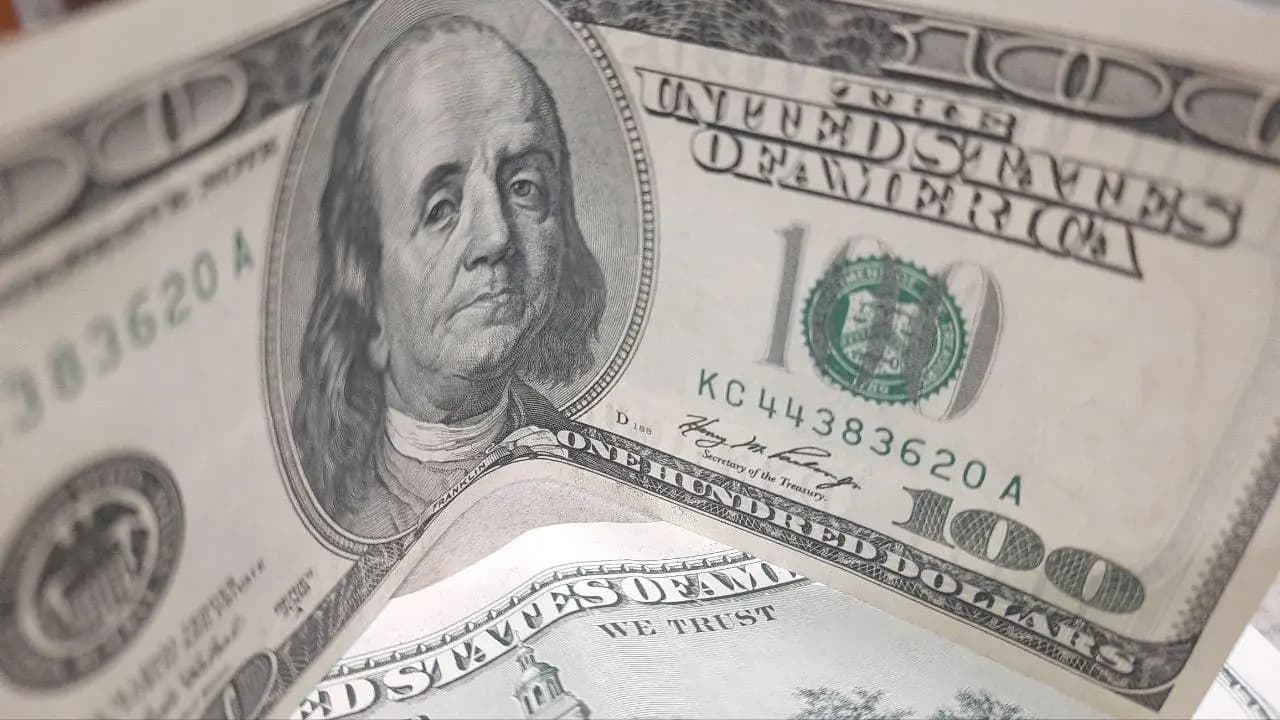
Japan is the largest foreign holder of U.S. government debt: its reserves exceed $1.1 trillion, with a significant portion invested in Treasury securities. When the yen weakens, Japan's Ministry of Finance conducts interventions, selling dollars and buying yen. But if the yen continues to fall, Tokyo could exhaust its dollar reserves and switch to selling U.S. bonds — a move that would trigger a chain reaction in the market.
Unlike regular interventions, selling bonds means Japan is not simply converting dollars into yen, but reducing its holdings of U.S. debt, which undermines confidence in it.
Why Japan might do this
The yen weakened to 40-year lows in 2026, and Japanese authorities have already conducted several interventions to halt the decline. However, interventions require dollars, and Tokyo's reserves are not infinite. If the yen continues to weaken, Japan may be forced to sell U.S. bonds to obtain dollars for new interventions.
Moreover, selling bonds could serve as a political signal. If Japan is dissatisfied with U.S. policy — for example, tariffs or pressure on the Bank of Japan — it could use its holdings as a leverage tool. This is a risky move, but possible amid deteriorating relations.
A third reason is a shift in reserve strategy. If Japan decides to diversify its reserves by reducing the dollar's share, this could manifest in selling U.S. bonds and buying gold or other assets.
What will happen in the market
The first reaction — a rise in U.S. bond yields. Selling such a volume of securities would create pressure on prices, and investors would have to demand higher yields to absorb the supply. This would increase borrowing costs for the U.S. government.
The second reaction — a 3–5% weakening of the dollar over several months. The market would perceive the sales as a signal that even the closest U.S. allies are losing confidence in American debt.
The third reaction — a strengthening of the yen. If Japan sells bonds and buys yen, the Japanese currency's exchange rate would firm up. This would create pressure on Japanese exporters but support the purchasing power of households.
Who wins and who loses
The main beneficiaries would be gold, the yen, and assets not dependent on U.S. debt. Japanese exporters may suffer from a stronger yen, but Japanese households would gain from increased purchasing power.
The most vulnerable will be American banks and companies that depend on Japanese capital. The US government will face rising borrowing costs. Foreign investors holding US bonds will suffer losses from falling prices.
For the dollar, the final effect depends on the scale of sales. If Japan sells a portion of its bonds, the effect will be moderate. However, if it begins to exit US debt en masse, the consequences will be serious, as this would set a precedent for other countries.
What this means for the dollar
Japan's sale of US bonds is a scenario in which the dollar loses one of its key foreign creditors. This will not crash the currency, but it will create a precedent that will weaken its role in the global financial system. Other countries may follow suit, and this will gradually erode the dollar's monopoly.
The most likely outcome is not a collapse, but a gradual weakening. The dollar will remain the primary currency, but its dependence on foreign capital will become more apparent and vulnerable. Investors will begin seeking alternatives, and this will alter the balance of power in the currency market for years to come.