Menu
""" What will happen to the dollar if the EU forces energy importers to invoice in euros? """
Author and editor-in-chief: Vitaly Kisterny, 17 November 2026, 07:05:00
The European Union has been discussing ways to strengthen the euro’s role in international payments for several years, but these plans have so far remained at the declaration stage. If Brussels decides to take a radical step—requiring all energy importers to issue invoices in euros—it will deal a direct blow to the petrodollar and global demand for the US currency.
Unlike sanctions or tariffs, this measure does not require the consent of other countries: it simply changes the rules for those who want to sell energy to Europe. If the EU goes ahead with this, the dollar will lose one of its main sources of structural demand.
Why energy remains dollar-denominated
Oil and gas are the world’s largest commodity markets, and they have historically been traded in dollars. This creates global demand for the US currency: any country buying energy must first buy dollars. Even if the seller and buyer have no connection to the US, the transaction goes through the dollar system.
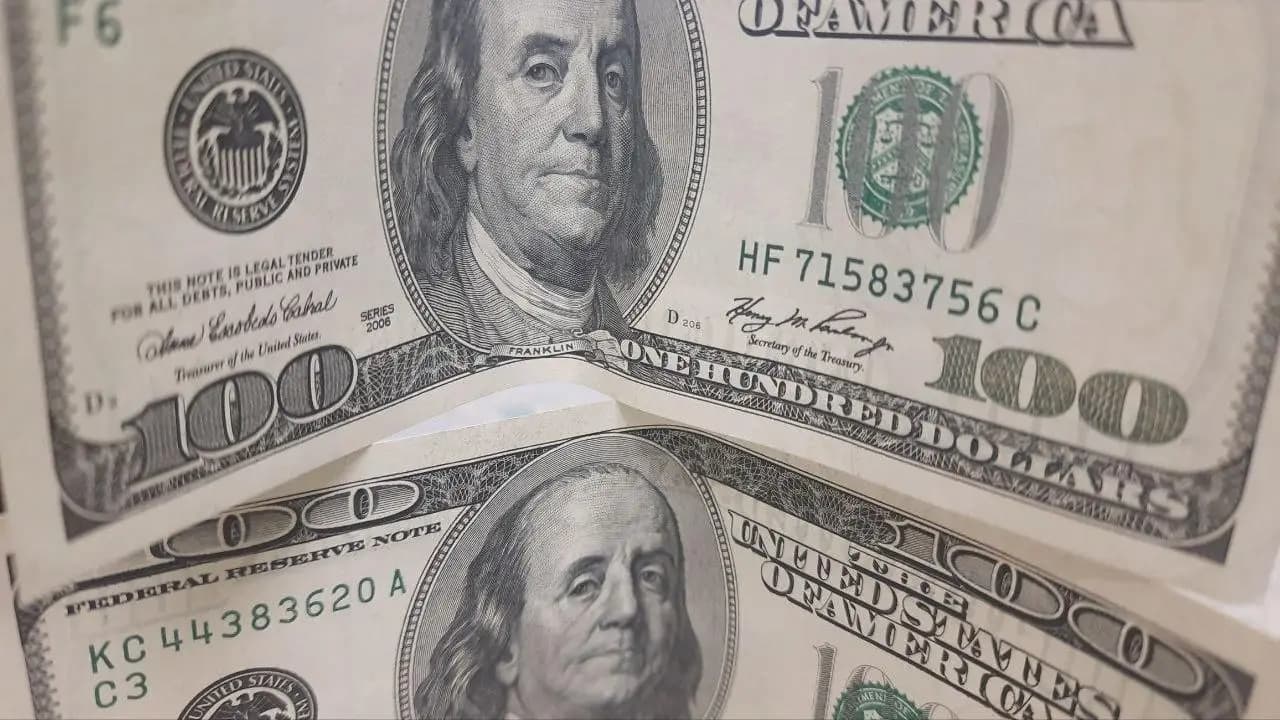
Photo: © Belnovosti / US dollar. Author: Vitaly Kisterny. Europe imports a significant portion of its energy resources—oil from Norway, the US, and the Middle East, gas from Norway, Algeria, and LNG from the US and Qatar. Today, most of these contracts are denominated in dollars, although some European companies already use euros to settle accounts with individual suppliers.
If the EU requires invoices to be issued in euros, it will set a precedent. Exporters who want to sell to Europe will have to accept euros and hold reserves in that currency. This will increase demand for euros and reduce demand for dollars.
What will happen to the dollar?
The first reaction will be a weakening of the dollar by 3–5% against the euro in the first months after the announcement. The market will begin to revise the structure of currency demand, as energy settlements are one of the largest channels for using dollars.
The second reaction will be increased demand for euros from exporters. Norwegian Equinor, American ExxonMobil and Cheniere, and Qatari QatarEnergy will be forced to hold more euros to settle accounts with Europe. This will support the single currency.
The third reaction will be political pressure from the United States. Washington may perceive this move as an attempt to undermine the dollar and threaten retaliatory measures. However, if the EU acts within its regulatory powers, the US will have no direct means of pressure.
Who will win and who will lose? """
""" The euro and European companies will be the main beneficiaries, as they will gain access to payments in their own currency, reducing their currency risks and hedging costs. European banks will also benefit, as new payment flows will pass through them.
American energy exporters will be the most vulnerable, as they will either have to accept euros or lose the European market. American banks that handle energy payments will also suffer. The ultimate impact on the dollar depends on the scale of the transition: if the EU takes this step, other regions may follow suit.
What does this mean for the dollar?
Mandatory energy payments in euros will be the first serious blow to the petrodollar since its creation. While this won't cause the dollar to collapse, it will set a precedent that weakens its role in global trade. Other countries and regions may follow the EU's lead, gradually eroding the dollar's monopoly.
The most likely outcome is not a replacement of the dollar, but fragmentation: energy payments will be divided into dollar and euro zones, and the dollar will lose some of its universal status. This will accelerate the transition to a multipolar currency system.
Add Belnovosti to your favorites on Google. """