Menu
In January–September, real disposable incomes of Belarusians increased by 8.2%
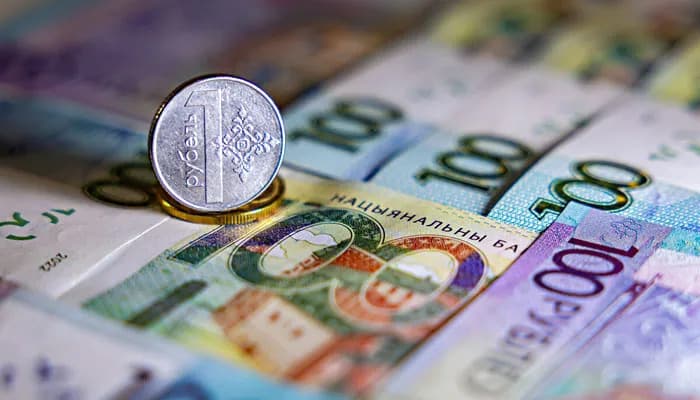
In January–September 2026, real disposable monetary income of the population of Belarus increased by 8.2% compared to the same period last year, according to the National Statistical Committee.
This indicator is calculated as cash receipts minus taxes, duties, and contributions, adjusted for the consumer price index for goods and services. Meanwhile, consumer prices for the same period rose by 3.6% compared to December 2025. Real wages, a key driver of this growth, added 7.4% year-on-year in September, following 8.1% in August.
The structure of income for the reporting period remained virtually unchanged. Labor remuneration accounts for 66.6% of all cash receipts, transfers to the population (pensions, benefits, scholarships) account for 22%, income from entrepreneurial and other income-generating activities stands at 6.8%, and property income and other receipts make up 4.6%. The total volume of the population's monetary income for the three quarters amounted to 148.37 billion rubles. The nominal accrued average monthly wage in September was 3,099.3 rubles. The real purchasing power of wages remains above last year's level due to nominal payouts growing at a faster rate than inflation.
The geography of income growth proved uneven. The largest increase in real disposable income was recorded in Minsk Region at 9%, Brest Region at 8.7%, as well as in Minsk and Grodno Region at 8.4%. Vitebsk Region added 8.2%, Mogilev Region 7.6%, while Gomel Region brought up the rear with 6.5%. The gap between the leading and trailing regions was 2.5 percentage points—not dramatic, but telling. Income growth across the country remains fairly widespread, yet its intensity depends on the employment structure and the industrial specialization of a particular region.