Menu
Marina Mazur did not choose the profession of a veterinary doctor by chance
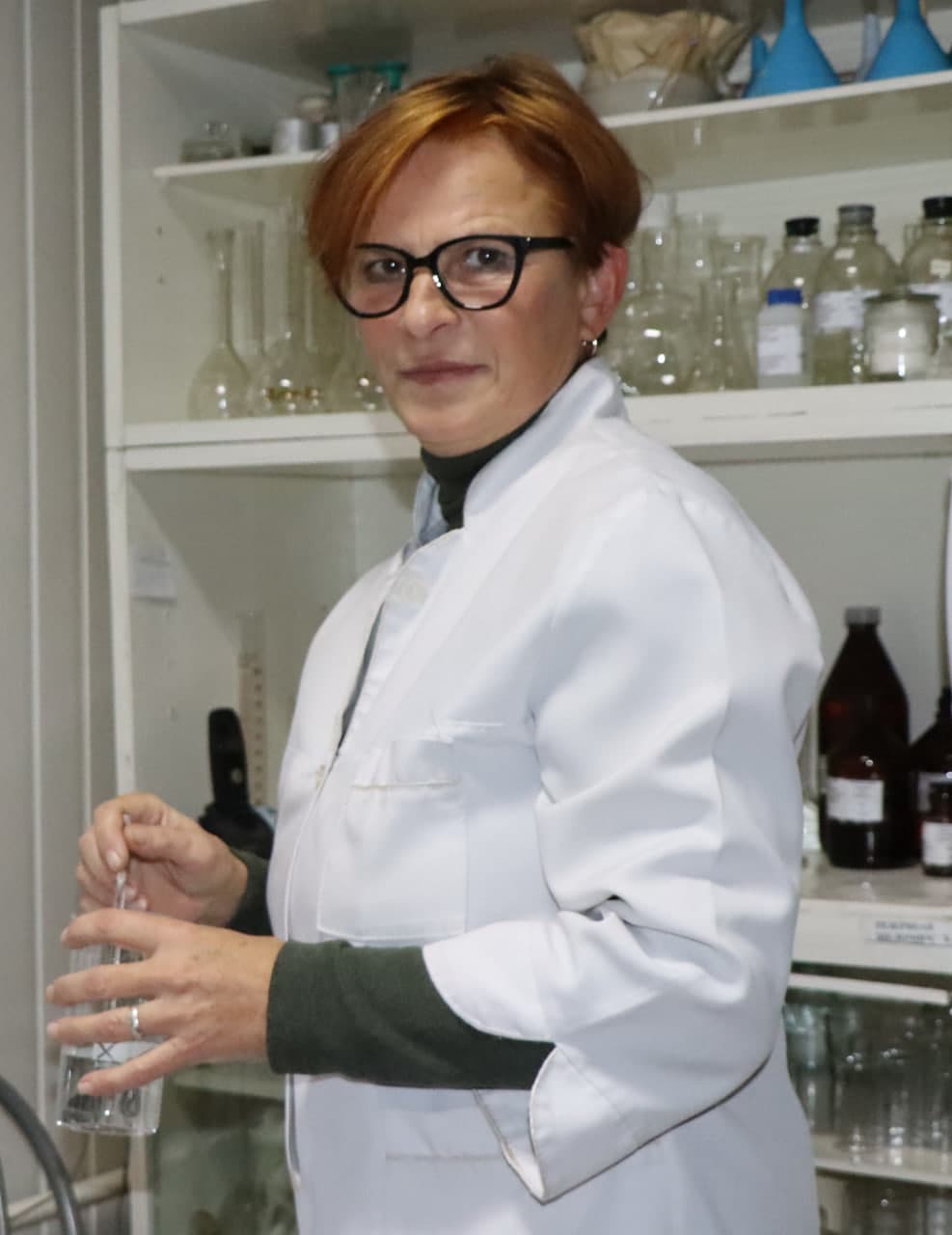
Over the first nine months of the year, the diagnostic laboratory of the district veterinary station performed 119% of the biochemical blood tests and 103% of the chemical and toxicological feed tests compared to the same period last year.
Marina Mazur did not choose the profession of a veterinary doctor by chance. Since her school years, the young resident of Doraganovo would run to the farm to see her mother, watch her treat animals, and dream of joining this interesting and rewarding work in the future.
Her desire was so strong that after finishing school, she went to work at the district veterinary station, first as a cleaner and then as a laboratory assistant. At the same time, she studied at the Vitebsk Academy of Veterinary Medicine. In 2002, she was appointed as a veterinarian in the chemical and toxicological department. She has been working in this position for almost a quarter of a century.
Marina Grigorievna conducts biochemical tests of feed and blood of cattle, for which she travels almost daily to farms and livestock complexes.
When assessing the nutritional value, safety, and balance of hay, haylage, and silage, organoleptic indicators as well as indicators of feed quality and safety are taken into account. Even the appearance of the feed can tell a lot, but most indicators are still determined using special studies. And this is already work with flasks and test tubes in the laboratory.
The biochemical analysis of the blood of cows and calves is also carried out there. Blood is sampled by veterinarians from agricultural enterprises, who also deliver the racks with this vital tissue to the veterinary station. Marina Grigorievna and laboratory assistant Olga Yudina study its composition. Metabolism, the levels of calcium, phosphorus, glucose, carotene, immunoglobulins, and alkalinity are kept under control. Based on the analysis, farm managers are given recommendations aimed at balancing the animals' diet.
During the first months of life, the blood of all calves is analyzed, while adult animals undergo "dispensary health checks" in turn. Blood samples are taken from ten percent of the cows on a farm at one time. This allows specialists to timely detect health disorders and prevent the development of diseases in the entire herd.
Quite impressive work experience, new devices and equipment, and a sufficient amount of reagents all contribute to the effectiveness of the diagnostic laboratory doctor's work. Moreover, important motivators for her are her son, daughter, and two grandchildren, who are proud of their relative and her work. And that is, perhaps, the most important reward.