Menu
What determines the fate of a business in debt
Today in the Grodno region, 87 organizations are undergoing sanation and bankruptcy procedures.
How millions are being returned to creditors in Grodno and why attempts to hide assets result in owners paying out of their own pockets.
Businesses in debt are either saved with the help of sanation – a special financial recovery procedure – or their property is sold off to pay debts. Which of these scenarios works depends largely on how quickly management recognizes problems and starts solving them.
Today in the Grodno region, 87 organizations are undergoing sanation and bankruptcy procedures. Of these, 84 are private, and three have state ownership.
Across the country, just over a thousand organizations are undergoing bankruptcy procedures, and 25 are undergoing sanation procedures. More than 200 anti-crisis managers are working with problem enterprises in the republic.
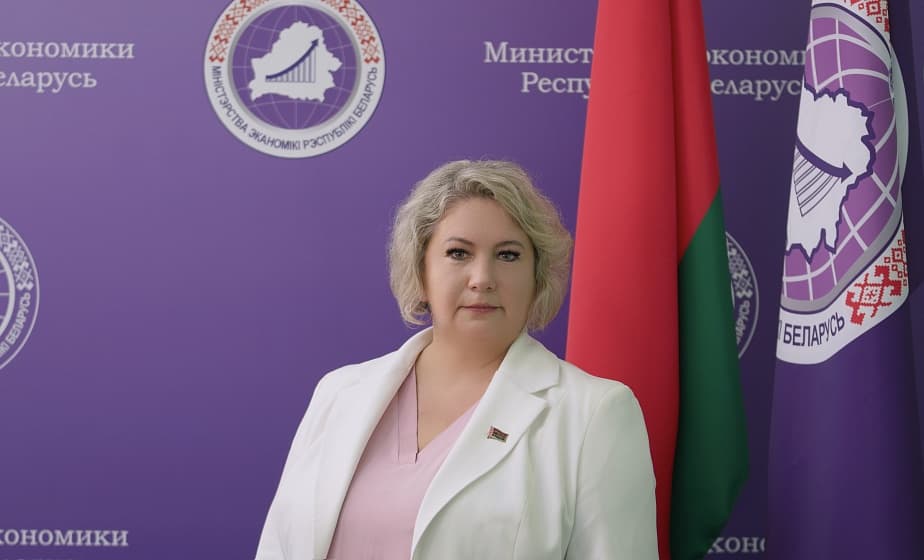
Olga Skorupskaya, head of the Grodno Regional Territorial Department for Sanation and Bankruptcy of the Ministry of Economy, spoke about what actually helps companies get out of debt, what anti-crisis managers should pay attention to, and what to do for those who have not been paid.
Companies still have a chance
Sanation gives businesses a chance to settle with creditors and continue working. To save an enterprise, a clear plan is drawn up for it: expenses are optimized, property is evaluated, and sources of funding are sought. However, the desire of owners to stay afloat is not enough – the decision must be based on solid economic calculations. Sanation allows a company to be preserved if it has prospects for further work and the possibility of restoring solvency. For this, it is essential to objectively assess the financial condition of the organization and determine how it can settle with creditors, noted Olga Skorupskaya.
In the Grodno region, state-owned enterprises (organizations with state ownership) rarely go bankrupt. Today, only three such companies are undergoing insolvency settlement procedures: two are undergoing bankruptcy procedures, and one is being saved with the help of sanation – this is OAO Grodno Shoe Factory "Neman". If the enterprise fulfills the planned plan, it will be able to pay off its debts, continue working, and preserve jobs.
Private businesses have more complicated situations. In 2026, bankruptcy cases were initiated against 50 private companies and individual entrepreneurs. Usually, such processes were initiated by the tax inspection and the Social Protection Fund when businesses accumulated debts on mandatory payments. However, debtors and liquidators themselves often turned to the court. When a company was closed, it turned out that it simply did not have enough money and property to settle with all creditors.
At the same time, the Grodno region is currently showing one of the best results in the country in terms of debt repayment. According to the cases that were completed in the first half of this year, creditors were able to recover more than half of the debts, 51.52%. This is three times higher than the national average. The figures for current payments are even better. In the region, it was possible to close almost 75% of such debts. According to this indicator, the Grodno region became the first in the country. These results were achieved by anti-crisis managers who searched for hidden property, checked previously concluded deals, recovered debts, and evaluated whether the management of the bankrupt companies had acted honestly.
Debts can be collected from owners
Some entrepreneurs mistakenly believe that after closing a company with debts, they can avoid responsibility. To do this, they hide accounting documents or transfer property to relatives. However, such actions do not relieve them of their obligations.
When a company goes bankrupt, the anti-crisis manager is obliged to check its economic activity, study major transactions, and determine the reasons for the debt. Even the absence of accounting documents does not prevent such a check. The company's financial history can be restored from tax returns, data from the Social Protection Fund, and bank statements. This allows us to track the movement of money and determine how the debt arose. Transactions with property are under special control. If the manager or owner transferred an apartment, car, or equipment to relatives before bankruptcy, the manager will check the circumstances of the transaction. If the property was used in the business, and its transfer was aimed at hiding assets from creditors, the transaction can be contested.
And if it is found that the bankruptcy was caused by the intentional actions of the management or founders, they may be held liable for subsidiary responsibility. In this case, the company's debts will have to be paid off at the expense of their personal funds and property. Just in the first half of 2026, the court in the Grodno region recovered almost 4.7 million rubles from the management and founders. For comparison, for the entire 2025 year, this amount was just over 1.3 million.
Olga Skorupskaya also drew attention to the fact that since June 21, 2026, new rules for bringing to subsidiary responsibility have been in effect. Now, business owners bear personal responsibility for socially significant debts - unpaid wages and compensation for harm to health - regardless of their guilt in the bankruptcy, in proportion to their share in the authorized capital.
"Company managers are held liable if it is proven that their actions or inaction led to the company's insolvency," explained the head of the regional territorial department for sanation and bankruptcy. "Both the workers themselves and the state labor inspection on their behalf can file a petition with the economic court to recover such debts." At the same time, the law makes important exceptions. Subsidiary responsibility does not apply to owners and founders of state unitary enterprises, state associations, as well as companies where the controlling package of shares (from 50%) belongs to the Republic of Belarus or its administrative-territorial units. Also, citizens who are members of garage cooperatives, garden associations, homeowners' associations, or funds are exempt from such responsibility.
What is important for an anti-crisis manager to know
The work of an anti-crisis manager begins with an assessment of the company's financial condition. At the same time, it is essential to check several key areas:
Major transactions. Was the property not sold at an understated price, and were assets not transferred to related parties?
Debts of counterparties. Who owes the company money, and is it possible to recover these debts?
Movement of funds. Where were the organization's funds directed, and were they not used in the personal interests of the management?
Sanation opportunities. Are there orders, demand for products, operating capacities, and real sources of debt repayment?
Work with creditors. Do they receive information about the procedure in a timely manner, and are their rights respected?
What to do if a bankrupt company owes you money?
Check the information. Visit the official website bankrot.gov.by. There you will find out who has been appointed as the manager in the debtor's case and by what date you need to submit your documents.
Prepare your documents. Gather all the papers that prove you are owed money. Contracts, invoices, acts, receipts, payment slips, and court decisions are all suitable.
Declare your debt. Write a statement to the manager to be included in the official list of creditors (register of claims). It is essential to do this within the deadline.
Monitor the case. Participate in the creditors' meeting and track publications about the bankruptcy proceedings. If you have information that the debtor attempted to conduct a suspicious transaction and hide assets, immediately report this to the manager or law enforcement agencies.
In what order are debts repaid?
The law establishes a strict order for satisfying creditors' claims. First, the current expenses of the procedure are paid, then the citizens' claims for compensation for harm to life and health, wage and benefit arrears, and obligations to the budget. After that, the remaining creditors - suppliers, banks, and other organizations - receive payments. At the same time, the actual amount of repayment depends on the value of the property that existed, was discovered, and realized.
We draw attention to the fact that the use of our materials, according to the Law of the Republic of Belarus "On Copyright and Related Rights", is only possible with the indication of the author (Grodzenskaya Pravda) and a link to the original source (a specific article on the website), unless your publication has been notified in writing of restrictions on the use of our information.