Menu
The National Bank has retained the calculated values of the standard risk for December
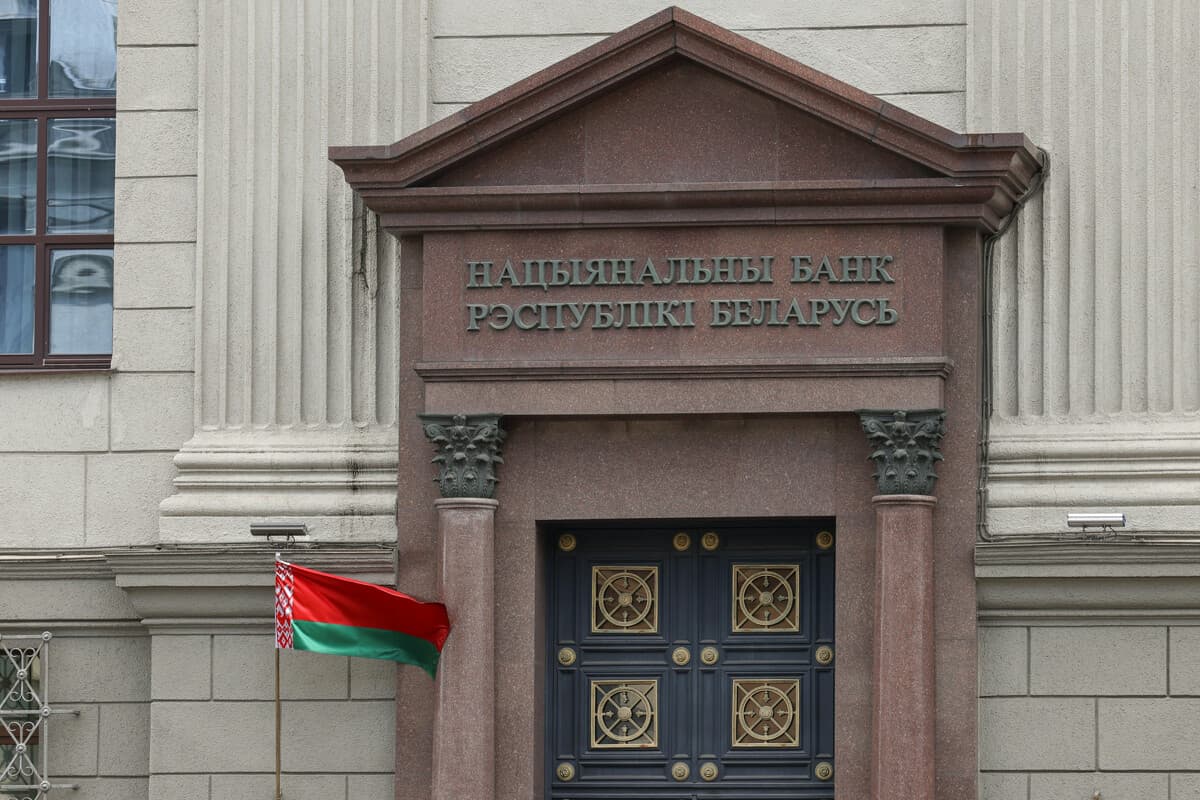
The National Bank of Belarus has decided to maintain the calculated values of the standard risk (RVS) for December 2026 at the level established the previous month.
For new loans to individuals, except for preferential ones, the indicator will remain at 16.94% per annum, for investment loans to legal entities - 10.07%, and for regular corporate loans - 11.39%. The RVS rates for individuals' deposits in rubles will also not change. For deposits with a term of one to three years, the rate will be 12.17% per annum, and for longer-term deposits - 14.33%.
To understand the logic behind this decision, it's worth recalling what RVS is and why it's needed. This is not a directive rate that banks are required to follow, but an indicator of increased risk appetite. If a bank sets interest rates on loans or deposits above the calculated value, it is subject to additional capital requirements and reserve formation. That is, RVS works as a soft limiter that does not prohibit banks from taking risks, but forces them to pay more for this right. For the borrower, this is an indirect guideline: the lower the RVS, the more space banks have to reduce rates without the risk of falling under increased regulatory requirements.
The dynamics of RVS in 2026 have been in favor of borrowers. From June to September, the regulator lowered the indicators every month, took a pause in October, lowered them again in November, and now has extended the November values to December. If compared to the May level, the RVS for investment loans to legal entities has decreased from 11.8% to 10.07%, which is more than 1.7 percentage points. The decrease for individuals was even more significant. In September and October, the rate was 17.65%, in November it was 16.94%, and now this level has been fixed for December.
Such caution is explained by the macroeconomic situation. The refinancing rate has been 9.25% since June 1, 2026 (reduced from 9.75%), and the RVS for loans to individuals at 16.94% looks high enough to restrain the most risky segments of consumer lending. At the same time, the volume of lending to individuals from January to September 2026 increased by 24.1% compared to the same period last year, to 14.84 billion rubles, and the debt on loans as of October 1 reached 33.86 billion rubles (+17.6% year-over-year).