Menu
The regional State Control Committee presented the results of its control and analytical activities in the field of consumer cooperation.
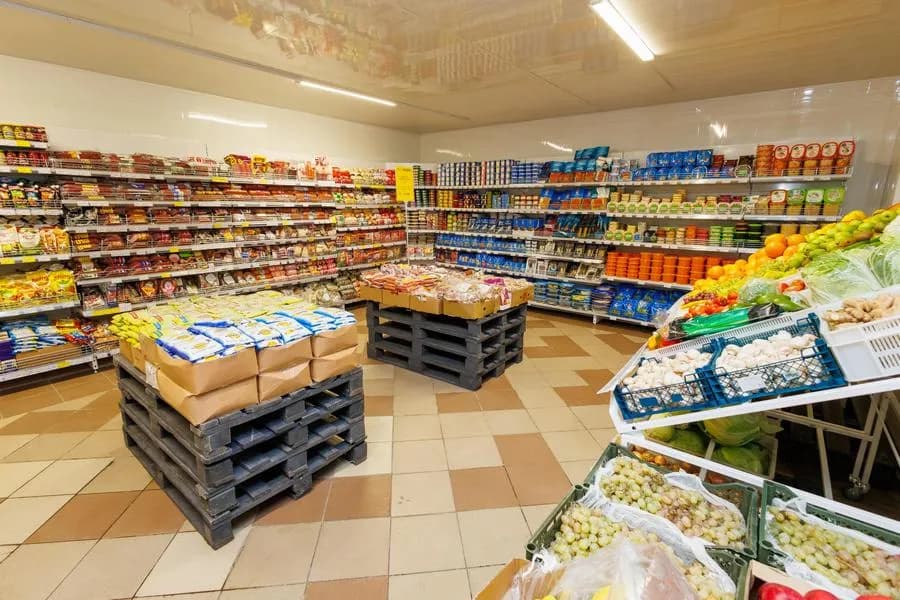
Consumer cooperatives have traditionally played an important role in the life of the Gomel region. For residents of small settlements, a store is often more than just a place to buy groceries; it is an essential part of everyday life.
Therefore, the resilience of this system, the quality of service, and the accessibility of goods carry special social significance.
In 2026, the industry took a number of steps aimed at increasing operational efficiency. Six new stores and 15 branded sections were opened, the activity of 17 previously closed retail outlets was resumed, and ten stores were modernized. During the spring‑summer period, 12 seasonal sites and 16 summer venues were operational. Auto stores served more than 150 garden communities, providing retail service where the stationary network could not always meet the population’s needs.
However, despite the positive dynamics of the development of retail infrastructure, problems remain that require not a formal but a systemic solution. As noted at the CGK council, the measures taken so far are insufficient to bring consumer cooperative organizations to break‑even operation and reduce credit burden.
Their own production capacities are also not being fully utilized. Confectionery and sausage workshops, non‑alcoholic beverage production plants, bakeries, and bread factories are operating below full capacity. The regulatory authority is concerned about the quality of retail service. Instances of selling expired products, violations of sanitary norms and regulations, and non‑compliance with technical regulations on product labeling have been identified. The issue of rational use of real estate assets within the consumer cooperative system was also discussed.
As a result of the council meeting, concrete proposals were developed for local authorities and management, as well as for the Gomel Regional Consumer Society, to improve the industry’s effectiveness.