Menu
Deep processing creates a demand for skilled labor — expert
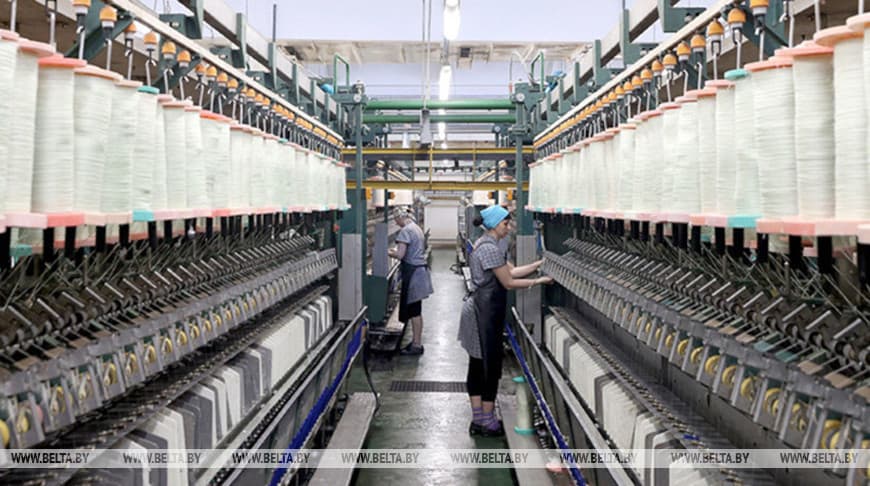
Deep processing creates a demand for skilled labor in specialized and related industries. This opinion was expressed in an interview with a BelTA correspondent by Andrei Prorovsky, Vice-Rector for Academic Affairs of the Brest State Technical University, Candidate of Technical Sciences, Associate Professor, while commenting on the outcomes of the national seminar-meeting in Shklov on modern approaches to regional development.
The expert emphasized that regional development is an important factor in sustainability. The main goal is to create conditions for people in small settlements that are comparable to those in large cities: decent infrastructure, housing, jobs, and leisure.
"In his speech, the President specifically pointed out the importance of agriculture and woodworking for the country's economy. In addition to ensuring food security, the export of agricultural products generates billions of dollars in revenue. The Brest Region is a flagship in this area. Instead of selling raw materials, the region's leading enterprises export finished food products with high added value. A similar strategy is applied in woodworking—increasing the depth of processing makes it possible to secure a manifold increase in revenue compared to the sale of round timber," Andrei Prorovsky cited as examples.
The agro-industrial complex is one of the key drivers of the national economy, reducing dependence on other, more volatile export groups. In particular, last year in the Brest Region, the contribution of agriculture, forestry, and fisheries to the gross regional product was 14%. Overall production of agricultural products increased, including milk, meat, and eggs. The southwestern region increased its exports of food products and agricultural raw materials by 15%. The geography of deliveries covered several dozen countries. This positive trend is consistently continuing in 2026.
"This mitigates the economic risks associated with market conditions in specific sectors and enhances the stability of foreign exchange earnings," the expert emphasized. "Deep processing generates a demand for skilled labor. Across the Brest region, which processes a significant portion of the nation's milk, this effect is multiplied. Jobs are created not only at the plant itself, but also in logistics, sales, and related industries. The more stages of processing raw materials undergo within the region, the more tax revenue remains in the local budget and the higher the incomes of the people employed in this chain. This is directly linked to the objective of creating living conditions in small settlements that are comparable to those in major cities."
According to Andrei Prorovsky, the development of woodworking most clearly demonstrates the economic rationale behind abandoning raw material exports. The transition to domestic processing has made it possible to increase revenue. Lumber exports have reached record levels.